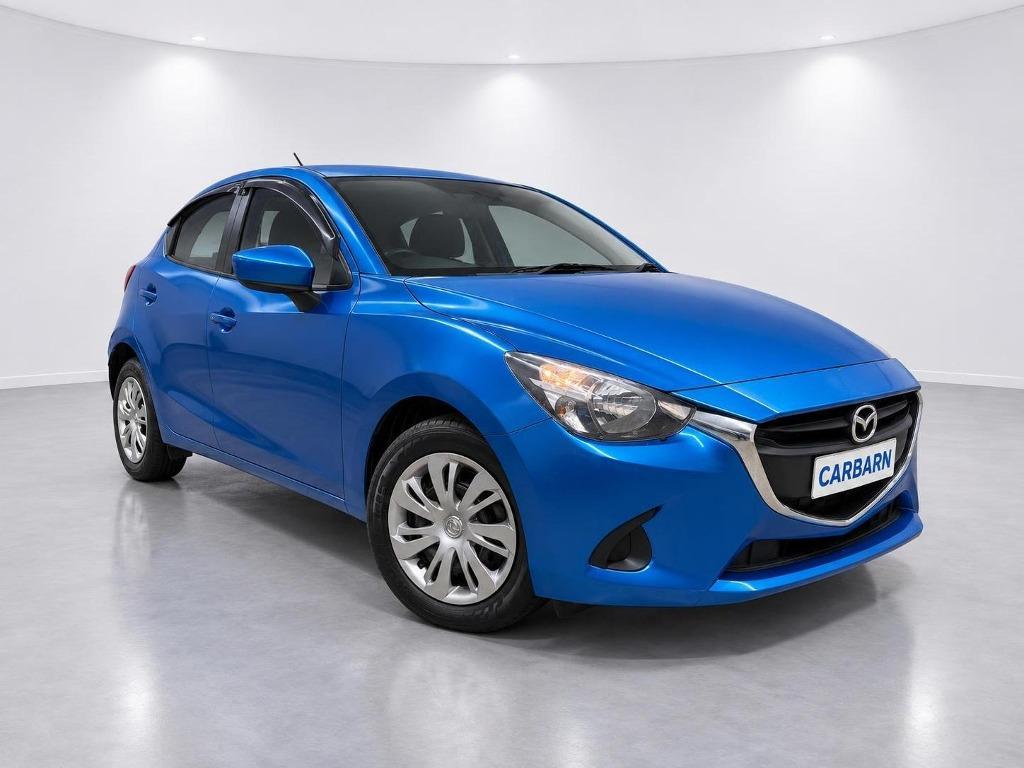


Is this Mazda 2 the right one?
One used Mazda 2 is available. Judge it on its own record rather than on what the model is generally known for — individual examples vary more than most buyers expect. It is the difference between buying a specification and buying a specific car.
What the listing records
Every used Mazda 2 listing at Carbarn records year, odometer, body, drivetrain, transmission and the documents supplied with the vehicle. Where a field is not recorded it is left out rather than estimated. New vehicles are listed continuously, so a specific request is usually filled rather than waited out.
Reading a listing properly
Used Mazda 2 listings pair recorded specification with photographs of the actual vehicle at Carbarn's Sydney yard, not stock imagery. Both describe the car in front of you rather than the model in general. Anything not covered by either is worth raising before a commitment is made.
Condition beats age
Age is the least reliable thing a listing tells you. What actually separates two used cars is the record: how they were serviced, what they were used for, and what the inspection found. That is why the recorded details sit beside every listing here — odometer, drivetrain, the model code naming the exact build. Start from the job the car has to do, let the records shortlist the candidates, and treat the year as one fact among many rather than the headline.
How to read a listing here
Two cars can share a name and almost nothing else, because most model names covered several mechanical setups over their life. The model code on each listing names the exact build, which makes it the fastest way to compare candidates before opening either page. The rest of the recorded details — engine, drivetrain, configuration — work the same way, and where service and preparation records exist they are shown on the vehicle's own page.
Why small hatchbacks make sense used
Small hatchbacks fit the life most cars actually lead — city streets, short trips, tight parking — and they carry the lowest running costs of any body style at the same age. Used, they are also the easiest purchase to judge: simple mechanicals, wide servicing familiarity, and recorded details that tell the story quickly. Weight the service history over the equipment list; a modest, well-kept hatch outlasts a better-specified one that missed its servicing.
The case for petrol
Petrol keeps a used purchase simple: familiar servicing, no plug, and typically a lower price than the equivalent hybrid or diesel at the same age. It suits lighter and shorter driving, where a diesel never warms to its work and a hybrid's advantage shrinks. The check that matters is the engine code on the listing — many ranges sold several petrol setups under one name — and a service history that shows the basics were done on time.