


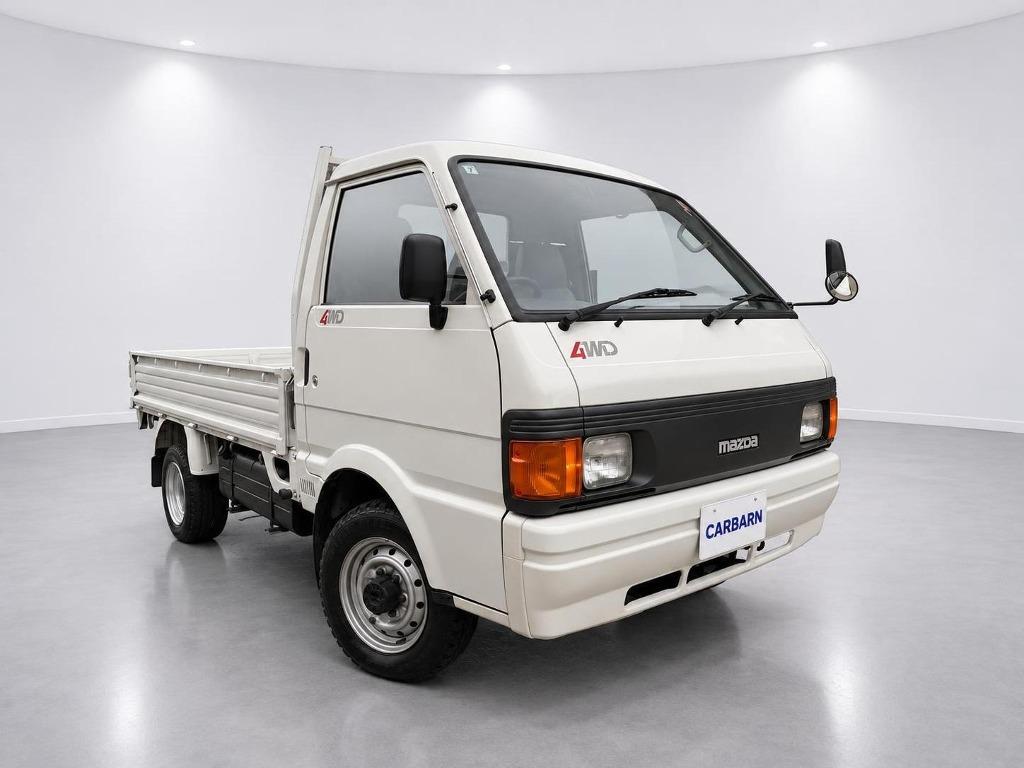


Is this Mazda Bongo the right one?
Carbarn's Sydney stock includes a single used Mazda Bongo at present. Its own record — odometer, drivetrain, documents and history — is the whole basis for judging it. Nothing is inferred from the model or the model year — only what is held for that vehicle is published.
Built for work, not for a commute
Commercial and camper Mazda Bongo listings are best judged on fitness for the specific task. Recorded dimensions, drivetrain and the photographs of working areas carry most of the useful information. Understanding it makes the individual listings much faster to compare.
What the listing records
Used Mazda Bongo listings record what came with the vehicle — keys, documents, service history — rather than what is typical for the model. Anything not covered by either is worth raising before a commitment is made.
Condition beats age
The year on a listing says less than it seems to. Service history, how the vehicle was used, and what the inspection recorded all move a used car's value more than its age does — which is why a cared-for older example can outlast a newer one that missed its servicing. The listings here record what was observed on each vehicle, so compare those details rather than the years. A practical order: settle what the vehicle is for, shortlist by the recorded specification, and only then weigh price against condition.
How to read a listing here
Two cars can share a name and almost nothing else, because most model names covered several mechanical setups over their life. The model code on each listing names the exact build, which makes it the fastest way to compare candidates before opening either page. The rest of the recorded details — engine, drivetrain, configuration — work the same way, and where service and preparation records exist they are shown on the vehicle's own page.
What 4WD adds — and costs
Four-wheel drive keeps a vehicle moving where two-wheel drive runs out of traction: unsealed roads, wet ground, snow-season access. It adds weight and price — 4WD versions typically sit above their two-wheel-drive equivalents at the same age — so it earns its keep on vehicles that will actually leave the bitumen. Whether a listing is 4WD is recorded on the vehicle itself: check the drivetrain field rather than the name, because badge and driveline do not always travel together on used examples.
The case for petrol
A petrol engine is the low-complication answer: cheaper to buy at the same age, straightforward to service anywhere, and happiest in the mixed daily driving most cars actually do. Its costs show at the pump on long highway work, which is where diesel earns its keep instead. Read the engine code off the listing rather than the badge — the same name often covered more than one engine over the years.