



Ready to Hit the Road in Style?
Save money and reduce emissions with vehicles designed to deliver exceptional mileage. Visit our inventory and find a car that fits your lifestyle.
Ready to Hit the Road in Style?
Save money and reduce emissions with vehicles designed to deliver exceptional mileage. Visit our inventory and find a car that fits your lifestyle.
The Toyota Prius used to be the car you chose because it made sense. Sensible. Efficient. Dependable. Also… a bit anonymous.
The 2026 Toyota Prius flips that old reputation on its roof. This fifth-generation model (the one that’s been turning heads overseas) doesn’t just look better, it drives like Toyota finally cared about more than the fuel bill. For Australian buyers, that’s a big deal, because the Prius nameplate disappeared from local showrooms in 2022, replaced (in spirit) by Corolla Hybrid, Camry Hybrid, and RAV4 Hybrid sales dominance.
So where does that leave Australians in 2026? In a very modern spot: a high-demand import market, rising interest in hybrids and plug-in hybrids, and a Prius that’s suddenly… desirable.
This 2026 Toyota Prius Review breaks down what’s new, how it drives on Australian roads, what it’s like inside, what tech you get, and whether it’s genuinely worth upgrading from an older Prius, or even switching from a Corolla Hybrid.
The Toyota Prius Glow-Up Is Real, But Is It Worth Upgrading?
If you’ve driven a Gen 3 or Gen 4 Prius, you already know the formula: low running costs, easy ownership, and “it’ll never die” reliability. What you may not know is how much the 2026 car has changed.
The 2026 Prius isn’t just a facelift. It’s a full reset: lower stance, sharper shape, more power, and a cabin that finally feels modern. The real question for Australian buyers is simple:
Is the 2026 Prius worth the upgrade, or can you get nearly the same hybrid value from a Corolla Hybrid or a BYD?
Let’s break it down properly.
What’s new for 2026?
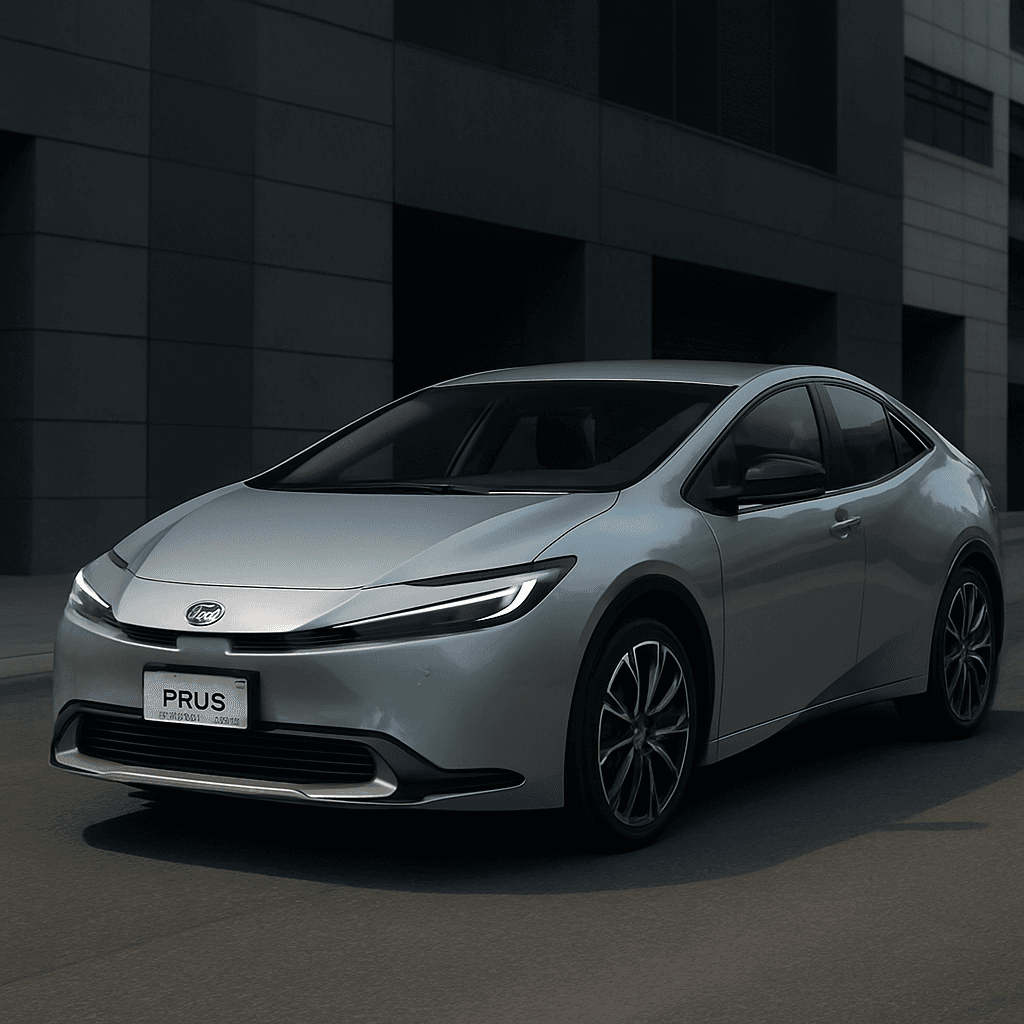
The 2026 model builds on the fifth-generation redesign that transformed the Prius’s reputation globally. Toyota didn’t just refresh panels; it changed the Prius’s personality.
The big carryover: fifth-gen platform and new proportions
This Prius sits on Toyota’s newer platform architecture (the same broad family as Corolla), but the tuning and packaging are clearly Prius-specific. The key change is the shape:
Lower roofline for a sleeker silhouette
Wider stance for better stability
Longer wheelbase for improved cabin balance and ride control
The result is a Prius that looks planted and modern , less “aero pod,” more “sporty liftback”.
Nightshade Edition: the Prius with attitude
If you’ve been waiting for a Prius that looks properly aggressive, Nightshade Edition is Toyota leaning into that demand.
Nightshade typically adds:
Black Toyota badges and Prius lettering
Black exterior accents (front/rear trim details)
19-inch black alloy wheels that completely change the stance
Dark interior theme with sportier trim highlights
In Australia, where black-pack styling is consistently popular (think SR, GR Sport, N Line, Black Edition trims), Nightshade makes the Prius feel less like a “hybrid choice” and more like a “design choice”.
Safety and infotainment upgrades continue
The 2026 Prius also keeps Toyota’s modern tech stack front and centre:
Newer generation active safety suite
Updated infotainment with larger screens available
More premium feel across the cabin touch points
Performance & drive: the Prius finally feels quick
This is where the 2026 Toyota Prius changes the conversation. Older Priuses weren’t unsafe, just slow enough that you had to plan overtakes and merges. The new one doesn’t have that problem.
2.0L hybrid powertrain (and why it matters)
The 2026 Prius uses a 2.0-litre hybrid setup with around 144kW combined output (market/spec dependent). In plain terms: it has enough punch to feel genuinely responsive, not just “adequate”.
What you’ll notice day-to-day:
Stronger take-off from lights (electric torque fills instantly)
More confident mid-range acceleration in traffic
Less engine strain at highway speeds
Toyota’s hybrid tuning is still about smoothness, not drama, but now it actually has the output to back up the new look.
0–100km/h: the “wow” number
Toyota’s latest Prius hybrid performance sits around the ~7-second mark for 0–100km/h (depending on trim/powertrain). That’s a huge improvement over older generations and changes how the car feels in real Australian driving.
On a short on-ramp, it now merges cleanly without drama. On a two-lane highway, it overtakes with far less planning.
Ride quality on Australian roads: city vs highway
In the city:
The Prius is right in its comfort zone. It feels refined at low speeds, glides smoothly in stop-start traffic, and uses electric drive often enough that it takes the stress out of commuting.
On the highway:
At 110km/h, the Prius feels more settled than before. The lower stance and better platform control improve stability, especially in crosswinds and long sweeping bends.
On rougher suburban roads:
Here’s the trade-off: Nightshade’s 19-inch wheels look excellent, but they can bring a firmer edge over potholes, sharp expansion joints, and coarse-chip surfaces. The upside is sharper steering response and better body control.
If you’re prioritising comfort, a smaller-wheel grade can be the smarter daily choice.
Design & interior: a Prius that finally looks premium
Toyota didn’t just “clean up” the Prius styling; it changed the whole vibe. The car now looks expensive and intentional.
Exterior: sleek, low, and genuinely eye-catching
The 2026 Prius has a coupe-like silhouette that makes it feel closer to a sporty liftback than a traditional hatch. It’s the first Prius that looks like you’d choose it even if fuel economy wasn’t the headline.
In Australian traffic, it stands out, and that matters because hybrid buyers aren’t only chasing savings anymore. They also want something that feels current and stylish.
Interior: modern, minimalist, and more driver-focused
Inside, the Prius has moved away from the quirky “centre gauge cluster” era and into a more normal, premium layout:
Cleaner dash design
Better material textures
A more modern driving position
One real-world tip: the instrument display placement can feel different depending on your height and steering wheel position. It’s something you want to check early if you’re test-driving or inspecting an import.
Space and practicality: the honest reality
The sleek roofline comes with a cost.
Rear headroom: tighter than older Priuses; tall passengers will notice
Boot space: usable, but not huge, it’s a commuter hatch, not a mini SUV
Battery packaging: can slightly affect boot floor height and load shape
If you regularly carry bulky gear, prams, or tall rear passengers, a Corolla Cross Hybrid or RAV4 Hybrid will fit life better, even if the Prius is the cooler drive.
Tech & safety: Toyota Safety Sense 3.0 and modern infotainment
For many Australian buyers, the Prius decision is as much about peace of mind as it is about fuel economy. Toyota leans into that here.
Toyota Safety Sense 3.0
Expect a strong active safety suite, including:
Adaptive cruise control
Lane Trace Assist (lane-centering support)
Autonomous emergency braking with broader detection capability
Road sign recognition and driver-assist refinements
These systems matter most on long freeway commutes, and the Prius is built for exactly that.
Infotainment: CarPlay/Android Auto, screen sizes, usability
The Prius typically offers:
Wireless Apple CarPlay and Android Auto
8-inch screen on base trims
12.3-inch screen on higher trims
Cleaner menus and faster response than older Toyota systems
Import note for Australia: if you’re bringing in a JDM Prius, some connected services (apps, emergency call functions, local data services) may not work the way they do in the original market. The core infotainment experience is still strong, but don’t buy it expecting full factory-style connected features without local support.
The verdict: Is the 2026 Toyota Prius worth the upgrade?
This is the moment Prius fans have been waiting for, because it’s not just “better.” It’s different in the right ways.
Upgrading from an older Prius (Gen 3 / Gen 4)
If you’re in a Gen 3 or Gen 4 Prius, the 2026 model feels like a generational leap:
More power and easier overtaking
Sharper handling and stability
A cabin that finally feels modern
Styling that removes the “taxi” stigma completely
If you like Prius ownership but want something that feels current and enjoyable, yes, it’s worth upgrading.
For Australian buyers, cross-shopping rivals
Here’s where the Prius sits in the real 2026 market:
Toyota Corolla Hybrid:
More affordable, easy local servicing, practical daily car. But it doesn’t deliver the Prius’s “special” feel or performance uplift.
Hyundai Ioniq (hybrid):
Still efficient, but ageing in design and tech compared to the new Prius.
BYD hybrids and plug-in hybrids:
Strong value and feature-packed. But Toyota still has an advantage in long-term reliability confidence, servicing familiarity, and resale perception for many Aussie buyers.
Who should buy it?
Best for: commuters, couples, efficiency-focused drivers who still enjoy driving
Also suits: buyers wanting a modern hybrid that feels premium without going full EV
Skip it if: you need SUV cargo space or regularly carry tall rear passengers
Bottom line: the Prius has finally become the hybrid you buy because you want it, not because you’re settling. If you’re asking “worth the upgrade?”, the answer for most owners of older Priuses is a confident yes.