



.jpg&w=3840&q=75 "Nissan Skyline RV37 Guide")
Ready to Hit the Road in Style?
Save money and reduce emissions with vehicles designed to deliver exceptional mileage. Visit our inventory and find a car that fits your lifestyle.
Ready to Hit the Road in Style?
Save money and reduce emissions with vehicles designed to deliver exceptional mileage. Visit our inventory and find a car that fits your lifestyle.
You want a fast, comfortable sedan with real character, but the price of a new European performance car keeps stopping you cold. A BMW M340i or Mercedes-AMG C43 costs six figures before you have added a single option. So you start looking sideways, at the cars Australia never got new, and the Nissan Skyline RV37 keeps coming up.
This guide is written to help you decide whether the RV37 actually suits your life, not just your wish list. We will cover what makes it different, how it drives, which grade fits which buyer, how reliable the engine is, what it costs to run, and exactly what to check before you commit. No hype, just the detail you need to shop with confidence.
Quick Answer
- The headline Skyline 400R makes 298 kW and 475 Nm from a 3.0-litre twin-turbo V6, driving the rear wheels through a 7-speed auto (Carsales, 2023).
- It runs from a comfort-first GT up to the track-focused NISMO (309 kW, 550 Nm, only 1,000 built) (Paultan.org, 2023).
- The main planned maintenance job is walnut-blasting the intake valves, typically due somewhere around 96,000 to 160,000 km (low-offset.com, 2023), budget roughly $650 to $950 at an Australian workshop.
- It needs 98 RON premium, so budget around $2,900 a year in fuel at 15,000 km (NRMA, 2026).
- Australia never sold the RV37 new, so most examples arrive as used imports from Japan.
Because it was never sold here new, buying one usually means going through the import pathway. If you have already decided the RV37 is the car for you and want the sourcing and compliance detail, you can read about how to Import Nissan Skyline RV37 from Japan to Australia on the dedicated page. For everyone still weighing it up, keep reading.
What Makes the Nissan Skyline RV37 Stand Out?
The RV37 is the modern Skyline built around Nissan's VR30DDTT, a 3.0-litre twin-turbo V6 that also underpins the current Nissan Z (Carsales, 2023). It trades the old motorsport theatre for everyday refinement with genuine pace. Think grown-up sports sedan, not race car with numberplates.
There is a naming quirk worth understanding early. This generation is sold overseas as the Infiniti Q50, but in Japan it launched in 2014 as the Nissan Skyline; the 2019 facelift then removed the Infiniti grille badge and restored the Nissan logo (MotorAuthority, 2019). In Japanese listings you will see several V37 codes, and only one is the car most buyers actually want.
Here is the quick decode so you do not buy the wrong Skyline:
- ZV37: 2.0-litre turbo four-cylinder
- HV37 / HNV37: 3.5-litre V6 hybrid
- RV37: 3.0-litre VR30DDTT twin-turbo V6, the performance car
From the outside these can look almost identical, but they are completely different underneath. The RV37 code is where the twin-turbo GT grades and the 400R live, so it is the identifier you want to see on the auction sheet and build details, not just "V37 Skyline" in a headline.
Nissan Skyline RV37 at a Glance
The 400R is the specification most buyers picture, so the table below uses its verified figures as the reference point (Carsales, 2023). Lower grades share the same body and platform but use a standard-output engine and softer hardware. Always confirm the exact spec of the individual car, since equipment varies by grade and year.
| Specification | Nissan Skyline RV37 400R |
|---|---|
| Engine | 3.0L VR30DDTT twin-turbo V6 |
| Power | 298 kW (405 PS) @ 6,400 rpm |
| Torque | 475 Nm @ 1,600–5,200 rpm |
| Transmission | 7-speed automatic with paddle shifters |
| Drivetrain | Rear-wheel drive |
| Dimensions (L×W×H) | 4,810 × 1,820 × 1,440 mm |
| Wheelbase | 2,850 mm |
| Kerb weight | ~1,760 kg |
| Fuel | 98 RON premium, 80-litre tank |
| Grades | GT, GT Type P, GT Type SP, 400R, NISMO |
Nissan does not publish an official 0 to 100 km/h time for the RV37. The closely related, all-wheel-drive Infiniti Q50 Red Sport 400 is independently timed at around five seconds, and the rear-drive Skyline sits in similar territory (Automobile-Catalog, 2023). Treat any exact figure you see in a listing with caution unless it comes from a credible timed test.
Design, Performance and Road Presence
The Nissan Skyline RV37 makes its case the moment you drive it, and the 400R version turns that up with 298 kW and 475 Nm from the high-output VR30DDTT (Carsales, 2023). Power delivery is smooth and flexible rather than peaky, with a wide torque band that suits real roads. It feels relaxed at a cruise and genuinely quick when you lean on it.
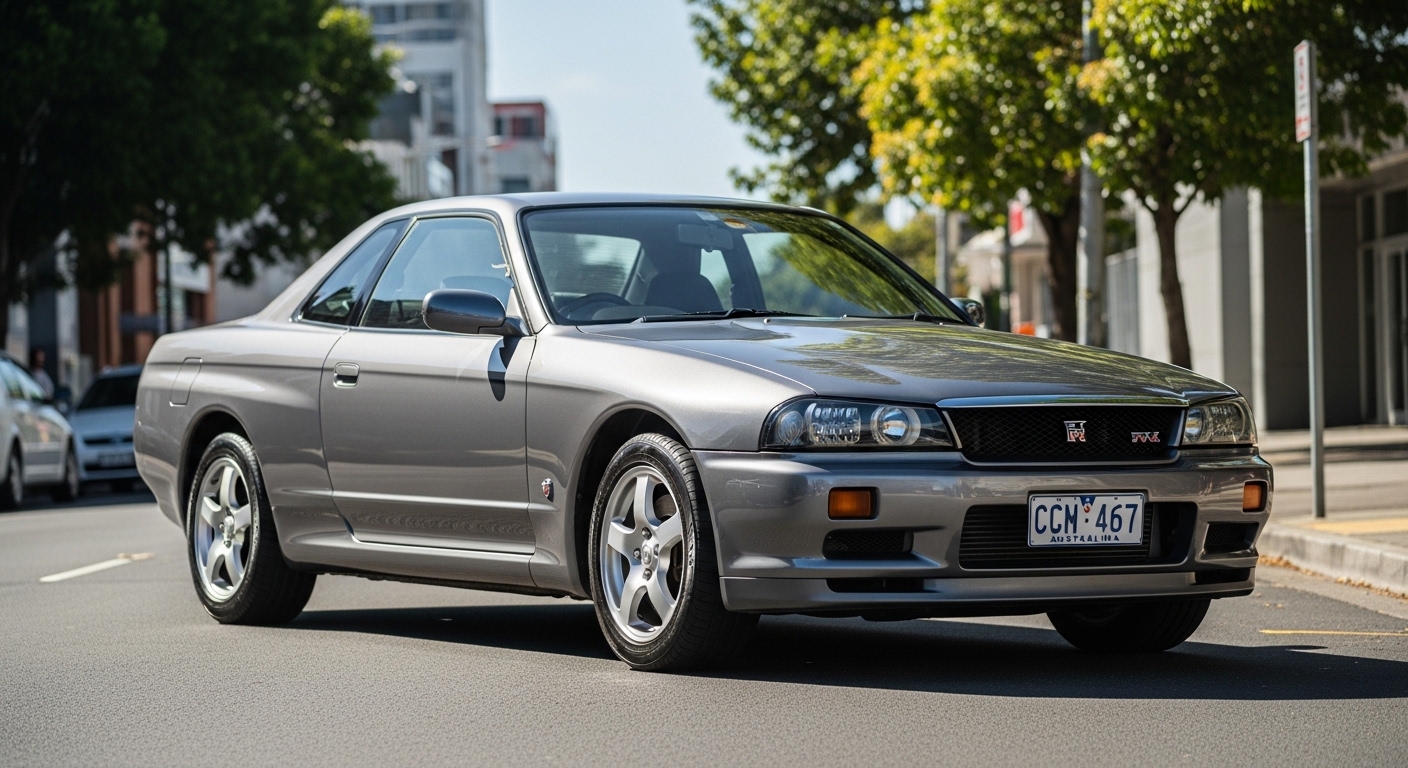 37 Nissan Skyline
Visually the RV37 has quiet confidence. The 2019 update brought back the signature quad-ring "afterburner" LED tail lights, a nod to Skyline heritage, along with LED headlights and daytime running lights across the range. The 400R and Type SP wear the sport front bumper, larger wheels and darker exterior trim, so they look purposeful without shouting. It is a car that reads as premium and understated rather than boy-racer.
On the road it balances comfort and control well. The chassis is settled and refined, which makes it an easy long-distance companion, while the 400R adds adaptive dampers that step through Standard, Sport and Sport+ modes for firmer body control when you want it. Every RV37 is rear-wheel drive with a 7-speed automatic and downshift rev-matching, so there is no all-wheel-drive version to hunt for. Reviewers consistently describe it as focused and responsive without tipping into harshness.
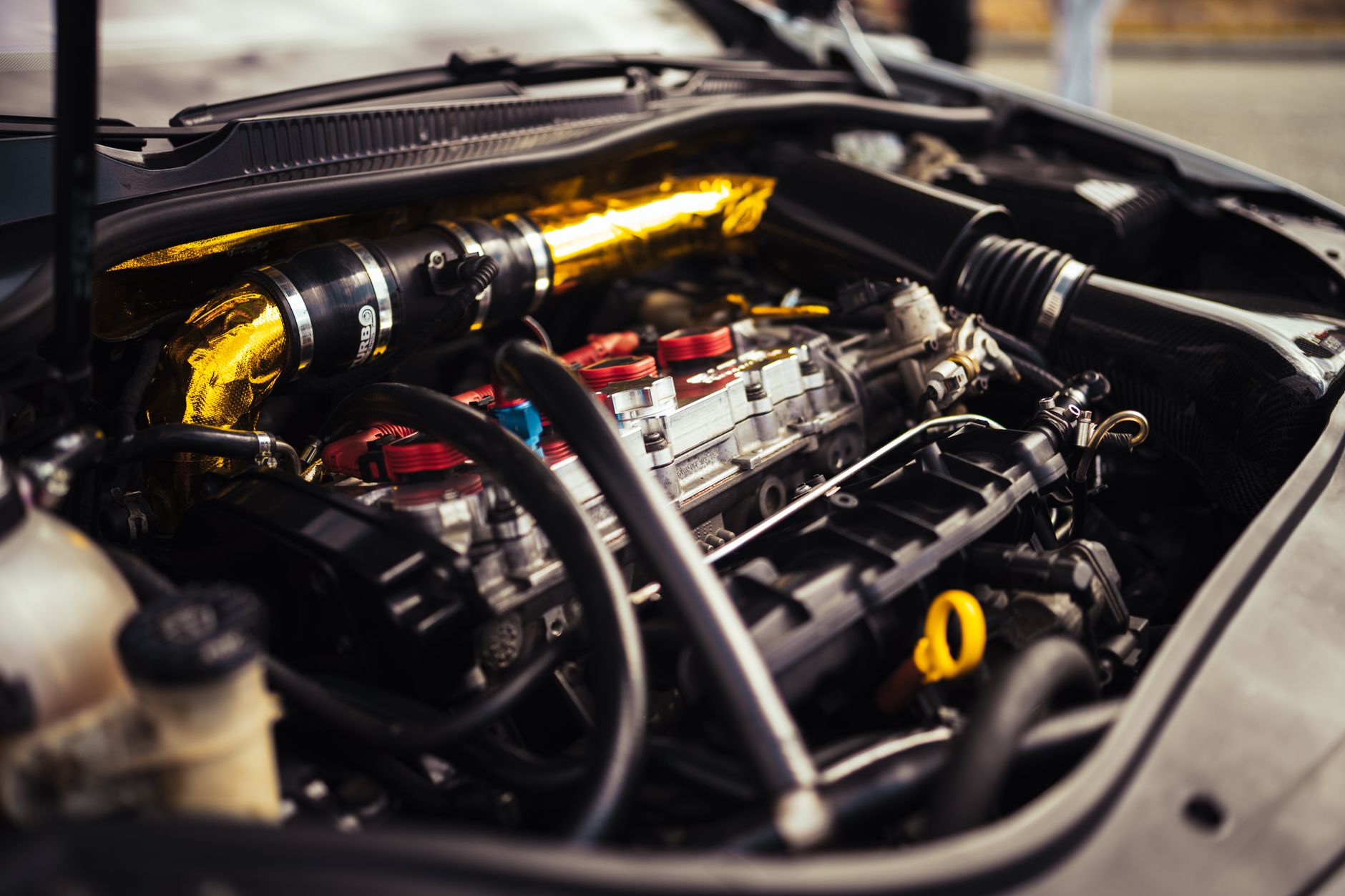 Strong mid-range torque defines how the RV37's turbo V6 drives day to day.
Which RV37 Grade Should You Choose?
Grade choice matters more than model year, because the RV37 spans a big spread from comfort cruiser to hardcore special. The base GT and GT Type P use the standard-output engine at 224 kW and 400 Nm, while the 400R jumps to 298 kW and the NISMO to 309 kW (Carsales, 2023; Paultan.org, 2023). Pick the grade that matches how you will actually use the car.
| Grade | Power / Torque | Best suited to |
|---|---|---|
| GT | 224 kW / 400 Nm | Comfort-first daily driving |
| GT Type P | 224 kW / 400 Nm | Buyers who want leather and premium tech |
| GT Type SP | 224 kW / 400 Nm | Enthusiasts wanting real chassis upgrades |
| 400R | 298 kW / 475 Nm | Performance buyers after the flagship feel |
| NISMO | 309 kW / 550 Nm | Track-focused buyers and collectors |
If your priority is a quiet, refined sedan, the GT or GT Type P make sense, with the Type P adding leather, heated power seats and more equipment. The GT Type SP is the popular middle ground, since it gains Akebono four-piston front brakes, firmer suspension and 19-inch wheels without flagship pricing. The 400R is the true performance halo, and the NISMO is a limited run of just 1,000 cars with Recaro seats (optional), static NISMO-tuned suspension and aero upgrades (Paultan.org, 2023). NISMO examples are genuinely hard to find, so plan for patience and a premium if that is your target.
What Is the Interior and Technology Like?
Inside, the RV37 feels properly modern for daily use, with most Japanese-market cars fitted with ProPILOT driver assistance, a dual-screen infotainment layout and a 360-degree Around View Monitor (Carsales, 2023). The upper eight-inch screen handles navigation and phone mirroring, and the lower seven-inch screen controls climate and vehicle settings. It is intuitive and well integrated rather than flashy.
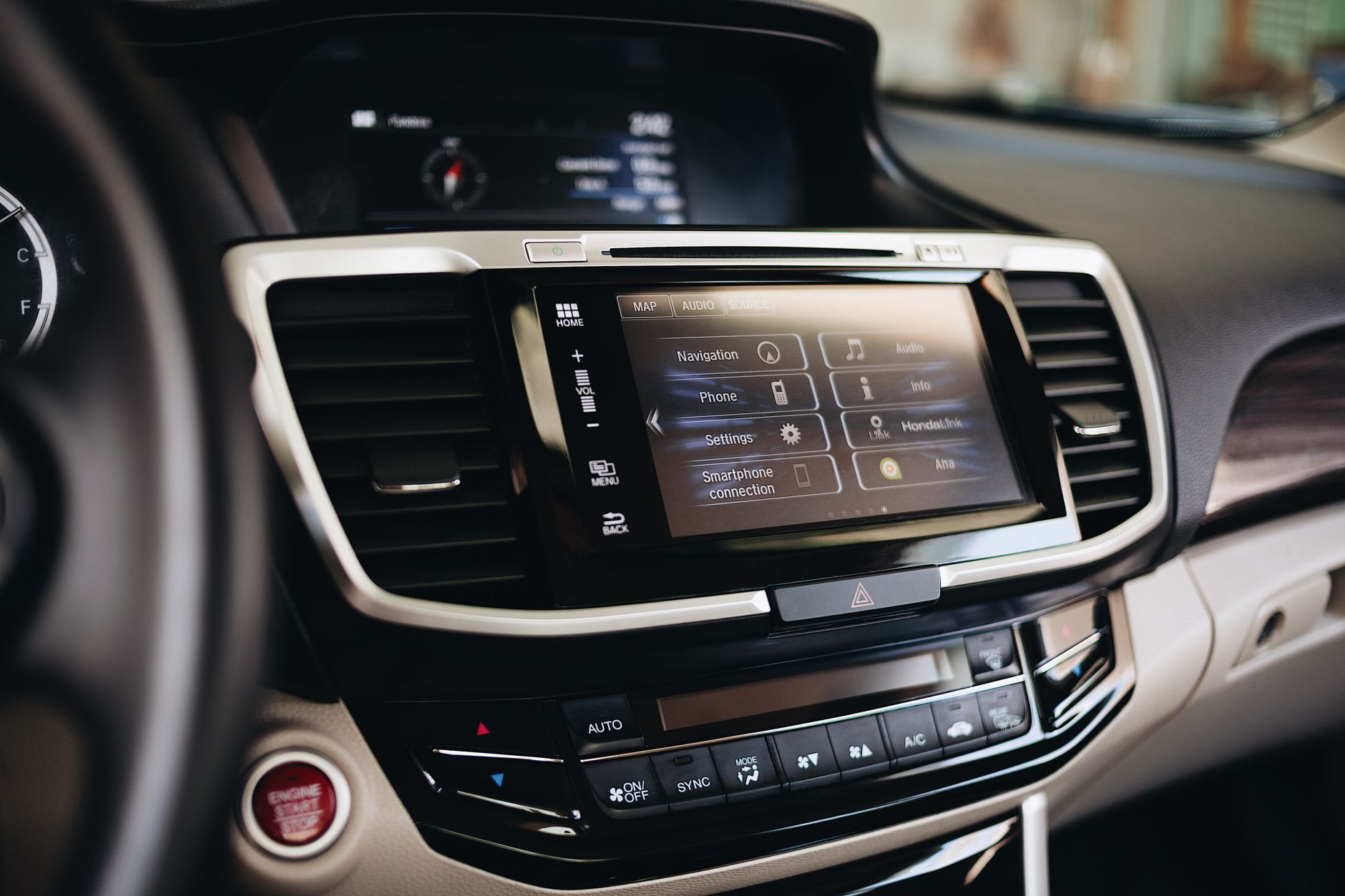 A twin-screen layout and physical climate controls make the cabin easy to live with.
The safety kit is solid too. The Safety Shield 360 suite typically includes intelligent emergency braking with pedestrian detection, blind-spot warning and high-beam assist. Higher grades add ProPILOT 2.0 hardware, marked by a blue button on the wheel. One honest caveat: the map-based hands-off functions rely on Japanese map data and will not operate here, even when the hardware is present, so confirm what actually works on the specific car.
Two more things worth knowing before you fall in love with the cabin. First, the factory navigation is locked to Japan and the system language defaults to Japanese, so most owners fit an aftermarket interface module for Australian maps and smoother smartphone use. Second, one respected reviewer recently called the cabin "a little past its best-before date," pointing to the foot-operated park brake and the twin legacy screens (Top Gear, 2024). Whether that bothers you is a personal call.
Is the RV37 Practical for Daily Driving?
For a performance sedan, the RV37 is surprisingly liveable, measuring 4,810 mm long on a 2,850 mm wheelbase, which puts it right in the mid-size executive class (Carsales, 2023). That means proper room for adults in the back and a sedan boot that swallows a weekly shop or a couple of suitcases. It is a car you can commute in Monday to Friday and still enjoy on a Sunday.
The rear-drive layout and firmer sport grades do ask for a little patience in tight car parks and over sharp speed bumps, especially the 400R and NISMO on their larger wheels. The 80-litre tank gives a decent touring range between fills, which helps on longer trips. Ride comfort is genuinely good on the GT and Type P, and still acceptable on the sportier grades in their softer drive modes.
If you have young kids, check that the rear-seat layout and any Japanese-market child-restraint points suit your setup, since fittings differ from Australian-delivered cars. For most buyers, though, the RV37 works as a real daily driver rather than a weekend-only toy. That everyday usability is a big part of its appeal against stripped-back performance specials.
How Reliable Is the VR30DDTT Engine?
The VR30DDTT is generally regarded as strong, but like most modern direct-injection turbo engines it has a known carbon build-up habit, with intake-valve cleaning usually recommended somewhere between roughly 96,000 and 160,000 km (low-offset.com, 2023). This is maintenance, not a design fault, and budgeting for it is smarter than being surprised by it.
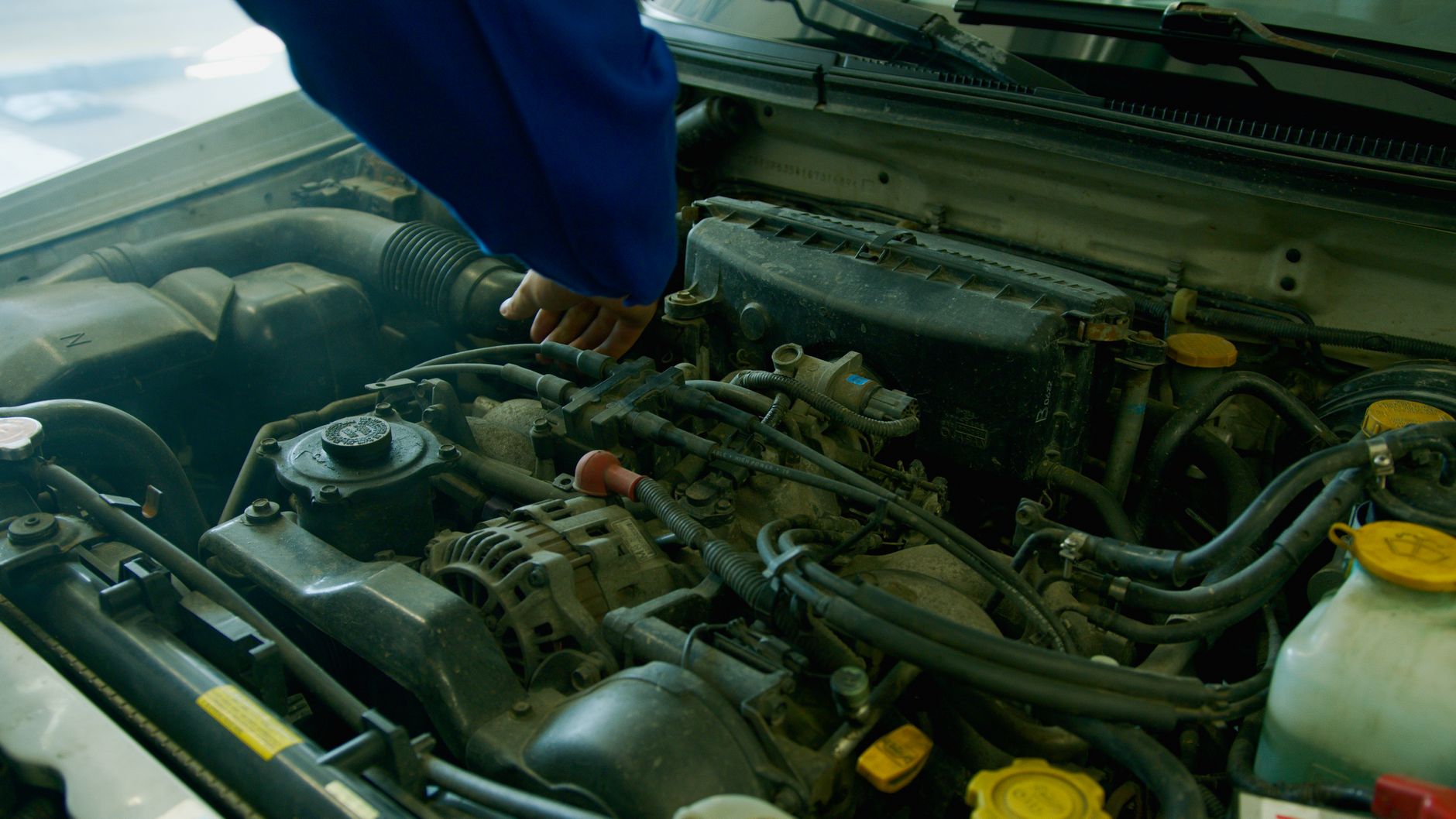 A pre-purchase inspection is the best money you can spend on a used import.
The main job is walnut-blasting the intake valves to clear carbon deposits. US references put this around $300 to $600 (8020automotive.com, 2024), but Australian workshops typically charge more for a six-cylinder, so budget roughly $650 to $950. Beyond that, keep an eye on a few grade-specific items. The 400R's adaptive dampers are an electronic component that can eventually need replacement, and any sunroof-equipped car should have its drainage checked, since blocked drains are a common weak point on this platform.
An earlier drive-belt service bulletin affected 2016 to 2017 Infiniti Q50 and Q60 models, so it is largely irrelevant to the newer RV37 examples that qualify for import here. As always, exact equipment and service needs vary by year and grade, so treat these as pointers and confirm the history and condition of the individual vehicle. A well-maintained VR30DDTT with a documented service record is a reassuring thing to buy.
What Does an RV37 Cost to Run?
Running costs sit above a mainstream sedan, mostly because the VR30DDTT requires 98 RON premium fuel (Carsales, 2023). With Sydney 98 RON near 193 cents a litre after the July 2026 excise change, expect roughly $2,900 a year at 15,000 km on official figures, and closer to $3,400 in real-world mixed driving (NRMA, 2026).
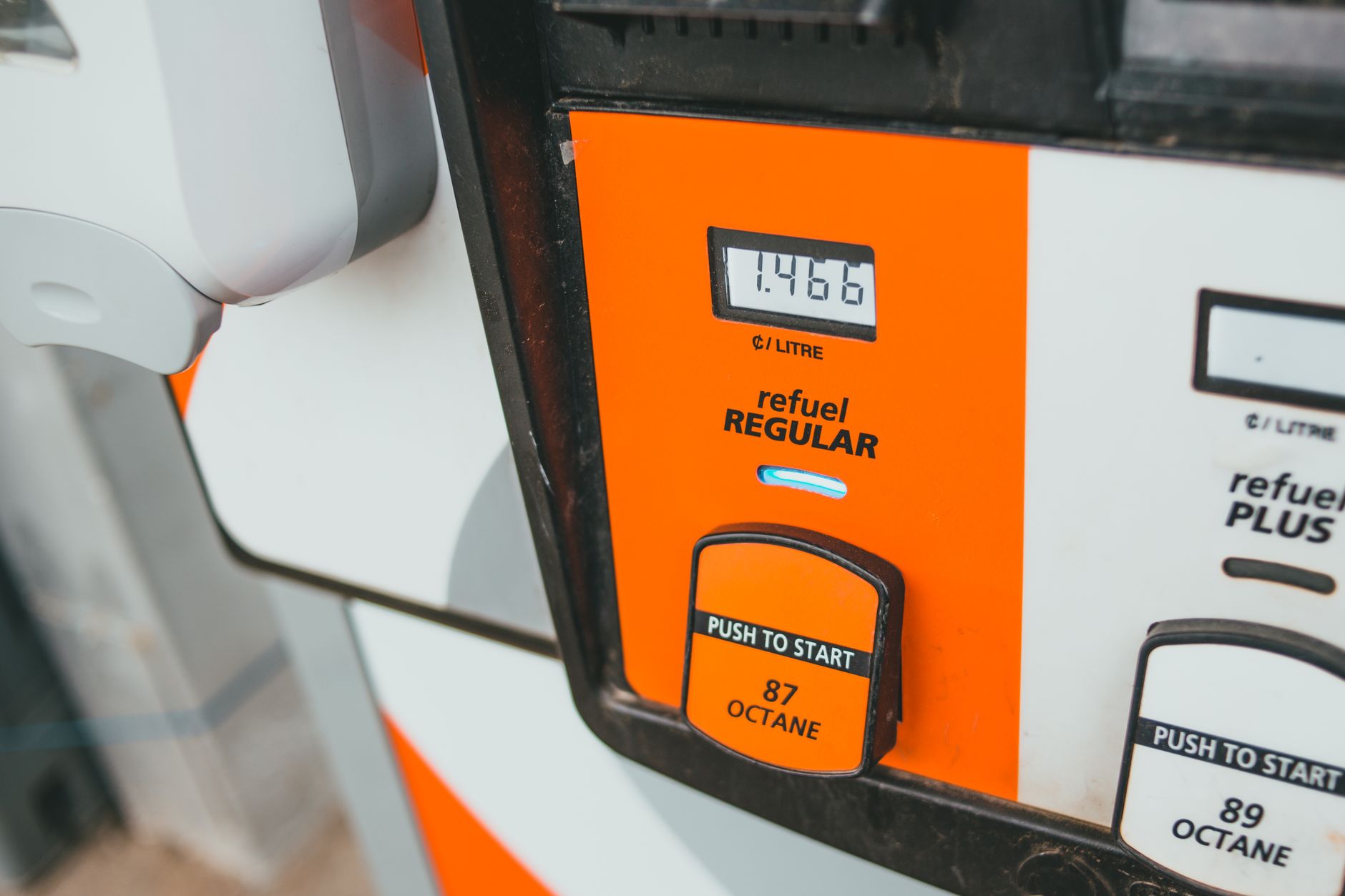 The RV37 needs 98 RON, so running costs sit above a mainstream sedan.
Fuel use depends heavily on how and where you drive. The Japanese WLTC drive-mode figures for the 400R give a rough idea of the spread, from thirsty city stints to relaxed highway cruising. Do not mix these WLTC numbers with older JC08 figures you might find elsewhere, and always confirm the economy label on the specific car.
| Drive mode (WLTC) | Fuel use |
|---|---|
| Urban | 15.4 L/100km |
| Suburban | 9.4 L/100km |
| Highway | 8.0 L/100km |
| Combined (approx.) | ~10.0 L/100km |
Indicative figures only. The exact per-mode WLTC breakdown could not be confirmed against an official Nissan Japan specification document, and the combined figure of around 10 L/100km is broadly consistent with other spec references. Verify the economy label on the individual vehicle before relying on these numbers.
Beyond fuel, factor in premium tyres, the periodic walnut-blast service and the aftermarket infotainment module many owners fit. None of this is unusual for a performance sedan, but it is worth planning for so the ownership experience matches your expectations.
How Does It Compare to European Performance Sedans?
On value, the RV37 makes a strong case, because used examples land well below the price of a new European rival with similar power. A BMW M340i, Mercedes-AMG C43 or Audi S4 all sit well into six figures new, roughly $118,000 to $126,000, while used 400R imports generally sit in the mid-$30K to mid-$50K range on the Australian used market (CarsGuide, 2026; CarExpert, 2026).
 Against European rivals, the RV37's appeal is value for money.
| Model | Drive | Power | Market position |
|---|---|---|---|
| Nissan Skyline RV37 400R | RWD | 298 kW | Used import, mid-$30K to mid-$50K range |
| BMW M340i xDrive | AWD | 288 kW | Around $118K–$119K new (CarsGuide, 2026) |
| Mercedes-AMG C43 4Matic | AWD | 310 kW | Around $121K–$126K new (CarExpert, 2026) |
| Audi S4 | AWD | 260 kW | Around $115K–$122K new (CarExpert, 2026) |
Two honest points sit alongside that value story. The comparison is not like-for-like, since you are weighing a used rear-drive import against brand-new all-wheel-drive Europeans with local warranty and dealer support. The RV37 is also not cheaper to run than an M340i, which uses less fuel. What the RV37 offers is a lot of performance and character for the money, with the trade-off that servicing knowledge sits with import and Japanese-car specialists rather than a metro dealer network.
What Should You Check Before Buying a Used RV37?
The single most important step is a documented history, since a well-kept example is worth far more than a cheap unknown, and the platform's known issues are all manageable when caught early (low-offset.com, 2023). Treat any car without records with real caution. A pre-purchase inspection almost always pays for itself.
Work through this checklist before you commit:
- Service and maintenance history: look for evidence of regular servicing and, on higher-kilometre cars, whether the intake valves have been cleaned.
- Accident and repair history: check for structural repairs, mismatched panels or overspray.
- Odometer records: cross-check the reading against auction sheets and service stamps.
- Auction grade: where the car is a fresh import, a higher auction grade and clean inspector notes indicate condition.
- Tyres and brakes: confirm even tyre wear and check brake condition, especially on Akebono-equipped Type SP and 400R cars.
- Electronics: test every screen, camera, ProPILOT function, sunroof and window, and confirm what works given the Japanese map lock.
- Compliance suitability: confirm the exact build date, variant and model code line up with import eligibility.
Because eligibility is variant-specific and tied to build dates, the paperwork matters as much as the car itself. If any detail is unclear, ask more questions rather than assuming, and lean on a specialist who knows the RV37.
Who Is the Nissan Skyline RV37 Best For?
The RV37 suits a buyer who wants genuine performance and daily comfort in one car, without paying six figures for a new European badge. If you value strong mid-range torque, a refined cabin and rear-drive character, it makes a lot of sense. It is a smart pick for the enthusiast who still needs a proper four-door.
It is less ideal if you need all-wheel-drive traction, a metro dealer service network, or the lowest possible fuel bill. Buyers who want a plug-and-play navigation and infotainment experience should also factor in the aftermarket module most owners fit. And if you have your heart set on a NISMO, be realistic about scarcity and price.
For most performance-sedan shoppers, the sensible sweet spot is the GT Type SP for balance, or the 400R if you want the flagship engine and adaptive dampers. Match the grade to your real driving, and the RV37 rewards you daily.
Sourcing an RV37 Through Carbarn
Because Australia never sold the RV37 new, nearly every example here is a used import, and it qualifies under the SEVS Performance Criterion for builds across the approved range (Carbarn, 2026). Getting one road-legal means a connected chain: SEVS eligibility, a VIA import approval tied to the exact VIN, compliance work at a registered workshop, an AVV inspection, and RAV entry before state registration.
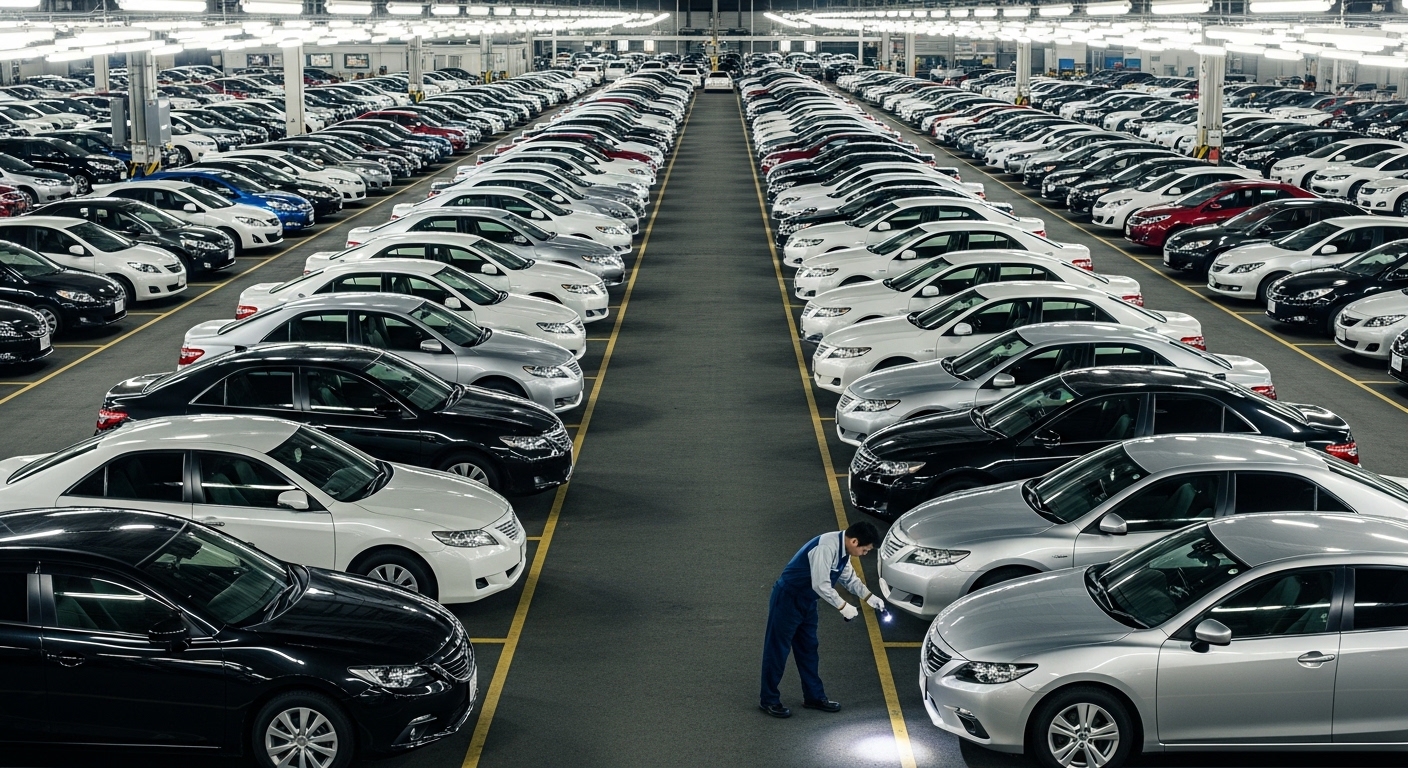 Most RV37s reach Australia through the Japanese auction system.
This is where working with a specialist keeps risk low. Carbarn is a licensed Sydney dealer based in Lidcombe that sources vehicles through approved Japanese auctions, arranges pre-bid inspection where possible, and bids only with your approval and inside your budget. Compliance is handled in-house at a RAW-certified workshop, including the AVV inspection and RAV entry, and the team can also help with finance, warranty options and door delivery. If you would rather buy something already in Australia, you can also browse Nissan stock ready to go.
When you are ready to move from research to ownership, the detail you need to source and import an RV37 to Australia sits on the dedicated import page, including estimated landed cost, auction-grade guidance and eligibility. That page is the right place to check sourcing and compliance specifics for your build.
Final Thoughts
The RV37 is one of the more rational ways to get real performance-sedan pace and comfort without a six-figure spend. It is quick, refined and understated, with a strong engine and a genuinely usable cabin. The trade-offs are honest ones: premium fuel, a periodic valve-cleaning service, and an import pathway rather than a showroom down the road.
If you take the time to check history, condition and eligibility, and you choose the grade that matches how you drive, the RV37 is a strong option that should keep rewarding you well beyond the novelty phase. Do your homework on the individual car, and buy the best-documented example you can.