




Ready to Hit the Road in Style?
Save money and reduce emissions with vehicles designed to deliver exceptional mileage. Visit our inventory and find a car that fits your lifestyle.
Ready to Hit the Road in Style?
Save money and reduce emissions with vehicles designed to deliver exceptional mileage. Visit our inventory and find a car that fits your lifestyle.
Hybrid vehicles are no longer a niche choice in Australia. They have become one of the easiest ways to reduce running costs without changing how you live. That is the key reason they matter so much in 2026. A regular hybrid still fills with petrol, still works like a normal car in day-to-day ownership, and still avoids the charging questions that can make some buyers hesitate on a full EV. Australia’s Green Vehicle Guide explains that non-plug-in hybrids recharge while driving through the engine and regenerative braking, which is exactly why they suit such a broad range of drivers, from city commuters to small families. Hybrid demand is also clearly growing. According to the Federal Chamber of Automotive Industries (FCAI), 199,133 hybrids were sold in Australia in 2025, up 15.3 per cent year on year.
That is what makes the under-$40,000 part of the market so interesting. This is no longer a budget that only buys a basic hybrid with obvious compromises. In this range, buyers can now choose between small city hatchbacks, compact SUVs, premium-feeling small cars, and even practical family people movers. The important question is not just which hybrid is cheapest. The better question is which one makes your weekly life easier.
What Makes A Hybrid “Good Value” In Real Life?
A good-value hybrid is not just the one with the lowest fuel figure on paper. It is the one that removes stress from daily ownership. That can mean easier parking, lower fuel use in traffic, more flexible interior space, better visibility, easier access for children, quieter long-distance driving, or simply features that make commuting less tiring. That is why this list is not built around badge value alone. It is built around how the car helps the person who actually has to live with it.
Another important point is that hybrids do not all work the same way. Toyota’s small hybrids, such as the Yaris, use a full-hybrid system with a petrol engine and electric motor working together through an e-CVT. Honda’s systems in the Fit and Vezel follow a different approach again, while Nissan’s e-POWER setup is closer in feel to an electric car because the electric motor drives the wheels and the petrol engine mainly acts as a generator. These differences sound technical, but they matter because they shape how smooth, quiet, responsive, and easy each car feels in real traffic.
Nissan Note e-POWER X Hybrid
The Nissan Note e-POWER X is on this list because it solves one of the most common daily-driving problems in Australia: stop-start urban traffic. On paper, it is a small hatchback. In practice, it feels more advanced than that because Nissan’s e-POWER system gives it a more electric-like character than many conventional hybrids. Nissan’s official Note spec sheet shows a 1.2-litre HR12DE three-cylinder engine used for power generation, with the electric side doing the real driving work. For the E13 generation, Nissan lists WLTC fuel-consumption figures up to 27.6km/L in some e-POWER configurations, depending on wheel and trim setup.
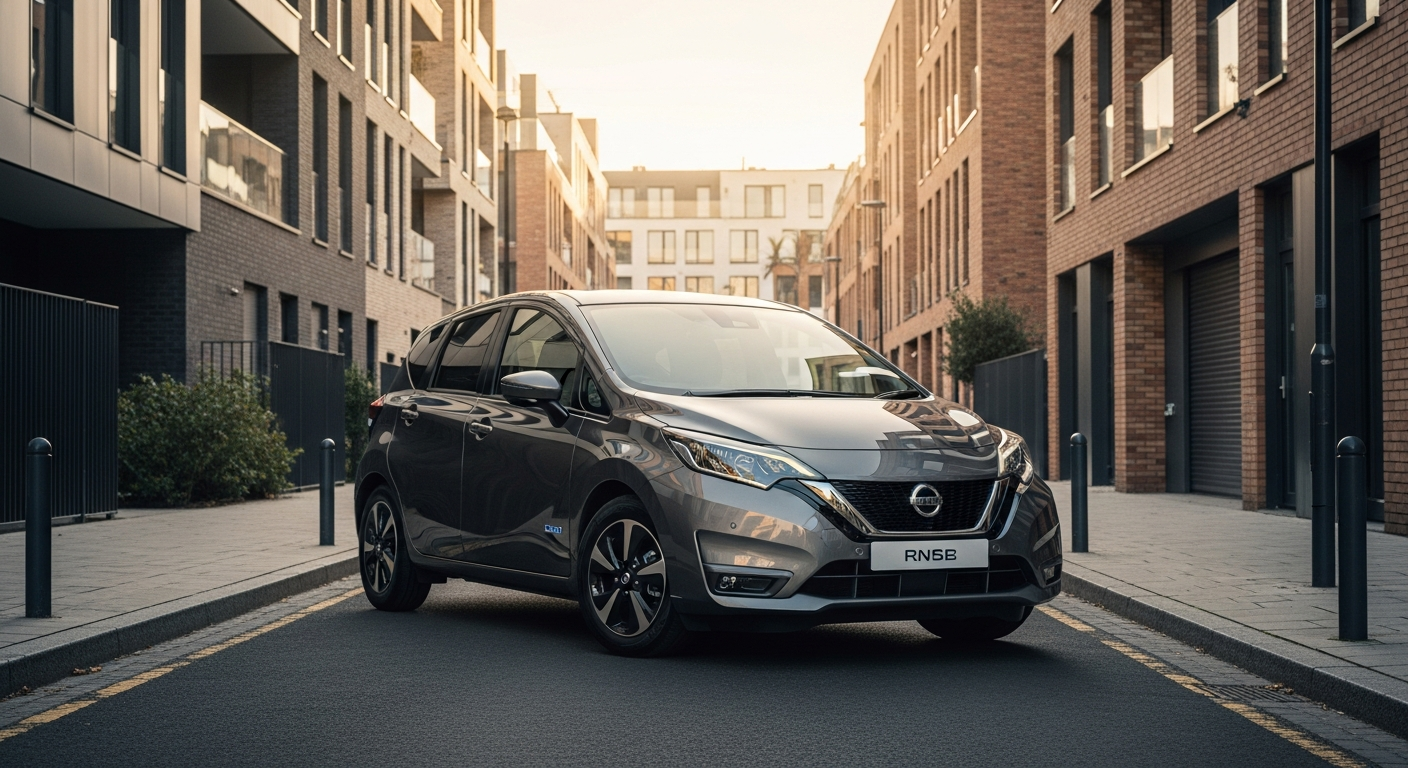
Why did this car make the shortlist? Because it is one of the easiest hybrids here to live with in a dense urban routine. It suits apartment dwellers, commuters, students, and anyone who spends a lot of time in low-speed traffic. The power delivery is smooth, the response off the line feels immediate, and the compact footprint makes parking and narrow suburban streets easier to deal with. Nissan also describes second-generation e-POWER as delivering stronger, quieter, and smoother electric-style driving without needing external charging.
What makes life easier in the Note is not just the economy. It is the total daily experience. A current Australian-market example in this band includes features such as lane departure warning, front collision warning, keyless start, electric folding mirrors, Apple CarPlay, Android Auto, and a multifunction steering wheel. That means the Note does not just save fuel. It also reduces effort. It is easier to manoeuvre, easier to use, and less tiring in traffic than many ordinary small petrol cars.
Toyota Yaris 4WD X Hybrid
The Toyota Yaris 4WD X Hybrid is here because it is one of the safest low-regret choices in this part of the market. Toyota’s official Yaris specification sheet shows the hybrid uses a 1.5-litre M15A-FXE three-cylinder petrol engine with Toyota’s hybrid system, and the E-Four version adds a rear electric motor for all-wheel-drive assistance. Toyota lists the Yaris Hybrid E-Four with WLTC consumption around 30.2km/L in certain configurations, which helps explain why it remains such a strong efficiency benchmark in the small-car class.
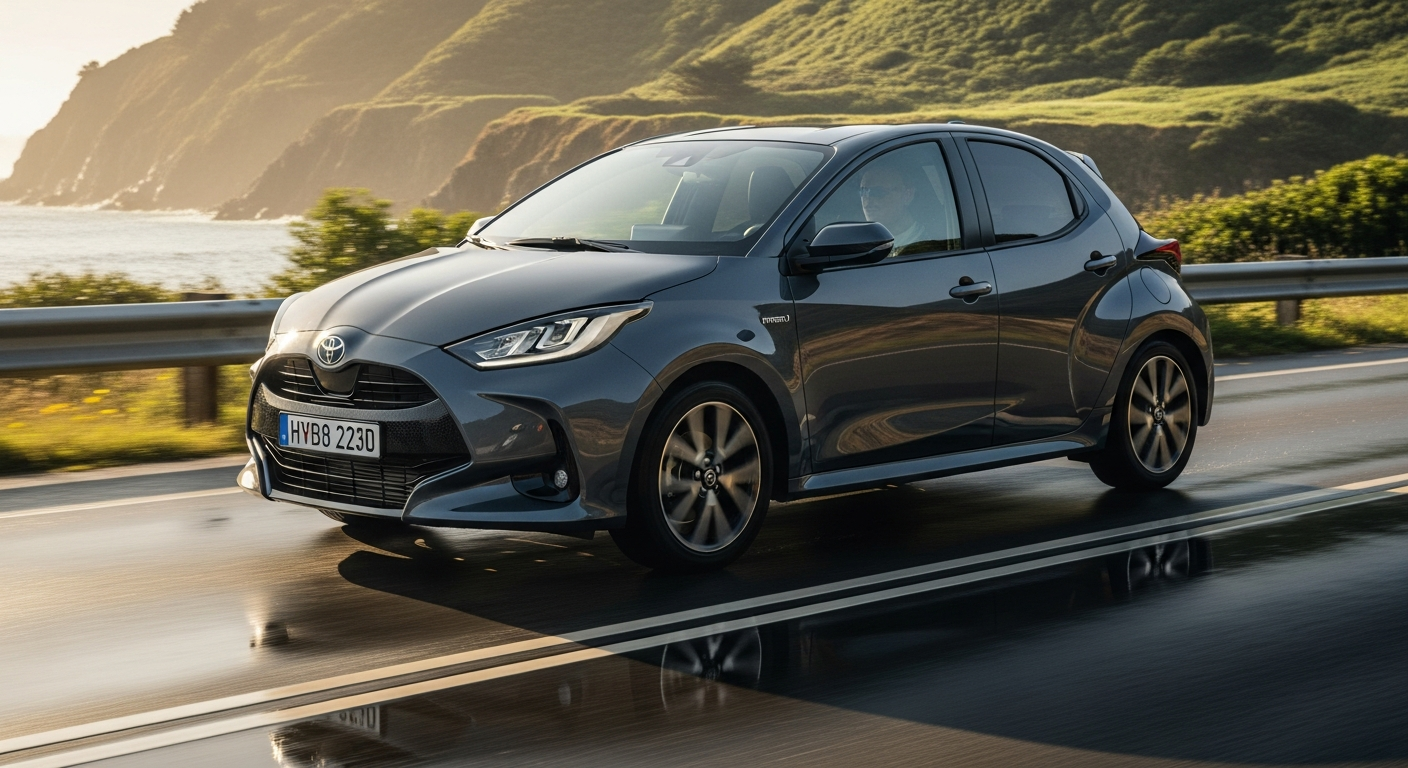
Why was the Yaris chosen? Because it makes life easier through predictability. It is the sort of car that suits buyers who want to keep things simple. The body is compact enough for city driving, the hybrid system is proven, and the Toyota badge still carries a strong sense of reliability and resale familiarity for many Australian buyers. The electric AWD element also gives it an added layer of confidence in wet conditions, steep driveways, and mixed-surface use compared with an ordinary front-drive small hatch.
The features also matter. A current Australian-market example includes Toyota Safety Sense and radar cruise control, which immediately changes the ownership feel. This is where the Yaris stops being “just a cheap hybrid” and starts making sense as a genuinely smart daily driver. It helps the owner not only through fuel savings, but also through better safety support, easier commuting, and lower ownership anxiety. For someone who wants compact size without feeling like they compromised too much, the Yaris is one of the best fits in this list.
Honda Vezel Z Hybrid (Honda SENSING)
The Honda Vezel Hybrid earns its place because it addresses a different kind of customer need. Many buyers like the idea of a hybrid, but they do not want to move into a very small hatchback. They want a bit more height, more flexibility, and a slightly more grown-up feel. That is where the Vezel works so well. Honda’s Vezel specification material shows the hybrid system based around a 1.5-litre setup, and the brand lists strong economy figures for hybrid versions depending on drive layout and trim. The newer VEZEL e:HEV range shows how seriously Honda treats this compact-SUV segment, with hybrid power, SUV packaging, and clear attention to safety and practicality.
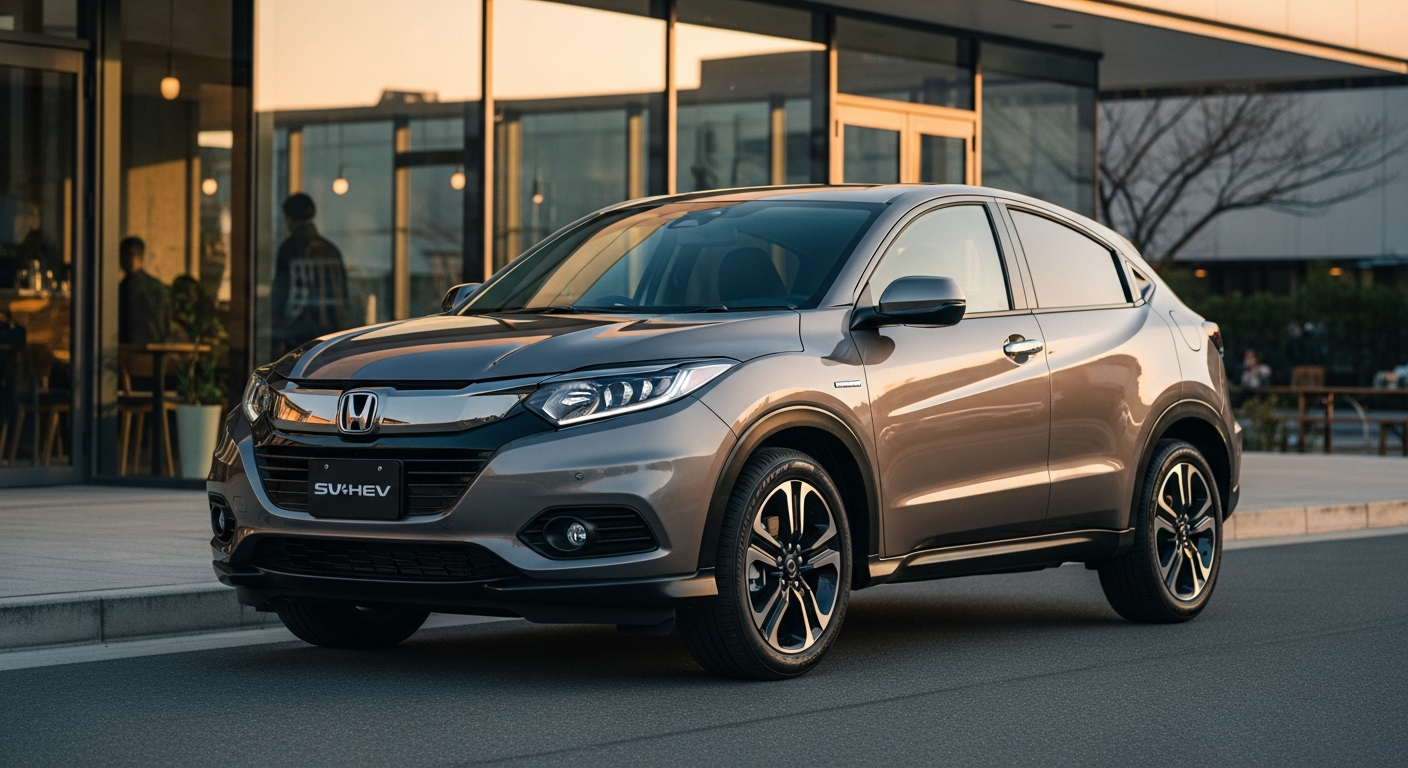
Why did we choose it? Because it is one of the most balanced hybrids in this budget. It is easier to get in and out of than a hatchback, easier to load with shopping or a pram, and easier to justify for households that need one car to do a bit of everything. In Australian use, that matters a lot. A hybrid may look good on paper, but if it becomes frustrating every time you need more room, it is not good value. The Vezel avoids that problem.
The features help reinforce that balance. A current Australian-market example includes half-leather trim, cruise control, lane departure warning, front collision warning, LED headlights, LED fog lights, traction control, a reversing camera, and alloy wheels. That is exactly the kind of specification that makes a car easier to live with over time. Better lighting helps at night. A slightly higher seating position improves visibility. Driver-assistance features reduce fatigue. More flexible cabin space makes the car more useful on weekends, not just weekdays. The Vezel makes life easier because it combines hybrid economy with the sort of SUV practicality that many buyers eventually realise they need.
Nissan Aura G Leather Edition
The Nissan Aura G Leather Edition is on this list because not every buyer wants the cheapest-feeling car in the bracket. Some want efficiency, but they also want refinement. That is where the Aura stands out. Nissan’s Aura spec sheet shows the FE13 uses a 1.2-litre HR12DE engine paired with an EM47 electric motor, with outputs listed at up to 100kW and 300Nm in 2WD form and official WLTC economy around 27.2km/L. Those are strong numbers for a compact car, but the Aura’s real advantage is not just performance or economy. It is the way the whole car feels more mature and finished than many ordinary small hatchbacks.
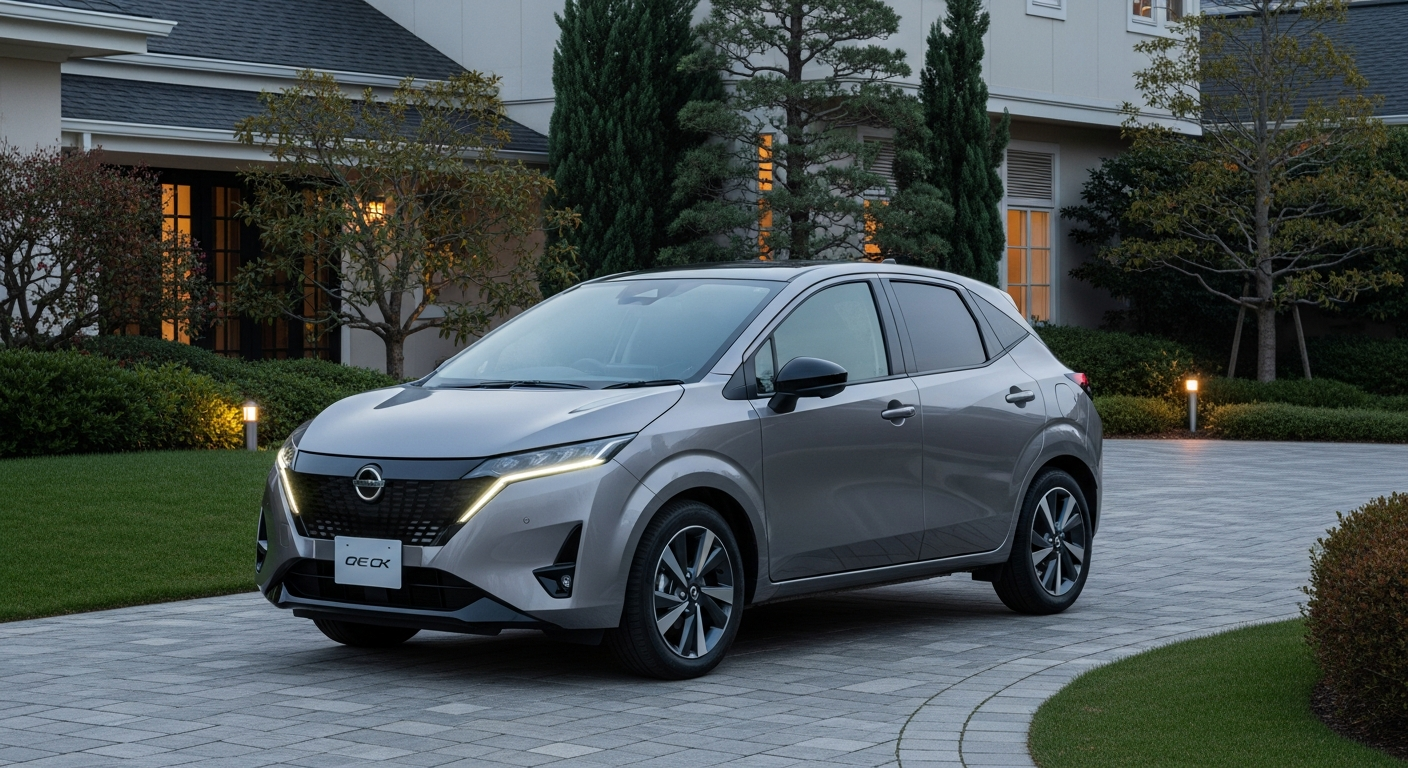
Why did it make this blog? Because it shows that affordable hybrids do not have to feel basic. Carbarn’s FE13 Aura guide explains that the G Leather Edition builds on the standard G with full genuine leather seats, Bose Personal Plus audio, and extra sound insulation. Those are not small upgrades in daily life. Better sound insulation means less fatigue on longer drives. Better seats mean less weariness in traffic. Better cabin materials mean the car still feels satisfying after the novelty of “good fuel economy” wears off.
This is the hybrid for the buyer who wants compact dimensions without the stripped-back feel that sometimes comes with affordable cars. It suits downsizers, professionals, and commuters who want something easier to park than a larger sedan or SUV, but who still care about quietness, cabin quality, and a more premium atmosphere. In that sense, the Aura makes life easier not by being the most practical, but by being the most pleasant to spend time in.
Honda Fit e:HEV Hybrid
The Honda Fit e:HEV is here because it is one of the smartest all-rounders in this entire budget space. It is easy to underestimate because it looks simple, but Honda’s official Fit spec sheet shows a very capable hybrid package. The e:HEV HOME FF uses a 1.5-litre hybrid setup with a motor output of 90kW and 253Nm, while official WLTC fuel use sits at 27.2km/L. Those are serious numbers for a small hatchback built around packaging efficiency and everyday usability.
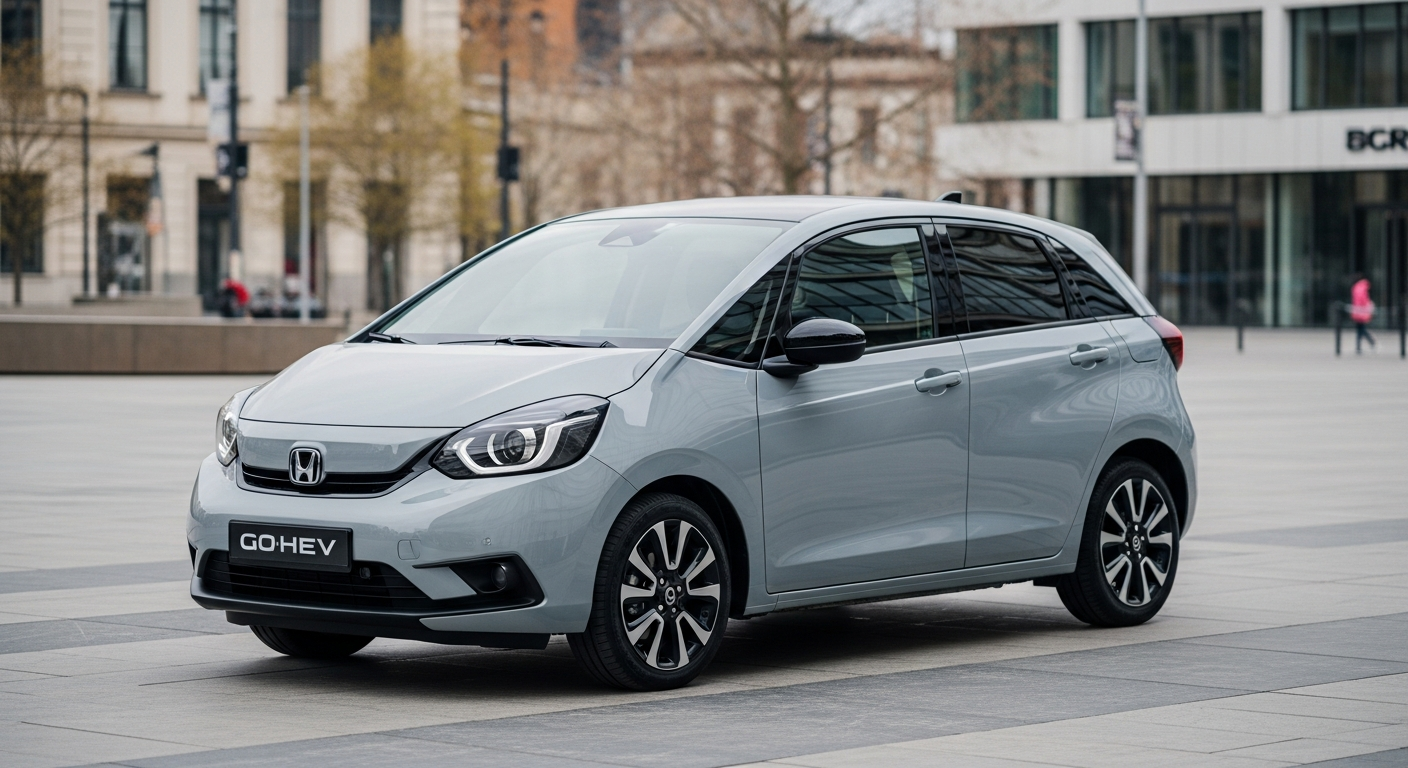
Why did we choose it? Because it quietly solves problems that many drivers do not think about until after they buy the wrong car. The Fit is compact enough for city life, but Honda’s packaging philosophy gives it a more open, useful cabin than many rivals. This is the kind of car that works for a young professional, a first-time hybrid buyer, a couple, or even a small household that needs one efficient car to do nearly everything.
The features and overall design are what make life easier. A recent Australian-market example included lane departure warning, reversing camera, cruise control, EV Mode, Eco Mode, parking-assist camera, LED headlights, and a multifunction steering wheel. That means the Fit does not just save money. It reduces friction. It is easier to see out of, easier to thread through traffic, easier to park, and easier to adapt to daily chores. It is one of those cars that often looks modest on the outside but feels intelligently designed once you actually live with it.
Toyota Voxy Hybrid X Package
The Toyota Voxy Hybrid X Package was chosen because not every buyer under this budget wants another five-seat hatch or compact SUV. Some need real family space. Some share one car across multiple adults. Some need room for child seats, school bags, shopping, grandparents, or weekend travel. That is where the Voxy becomes important. A current Australian-market example uses Toyota’s 1.8-litre 2ZR-FXE hybrid powertrain in front-wheel-drive form, and Carbarn’s import information identifies it as the proven ZWR80-series hybrid setup. Toyota’s current Voxy hybrid catalogue also highlights the 1.8-litre 2ZR-FXE hybrid system and a system output of 103kW in the Voxy range.
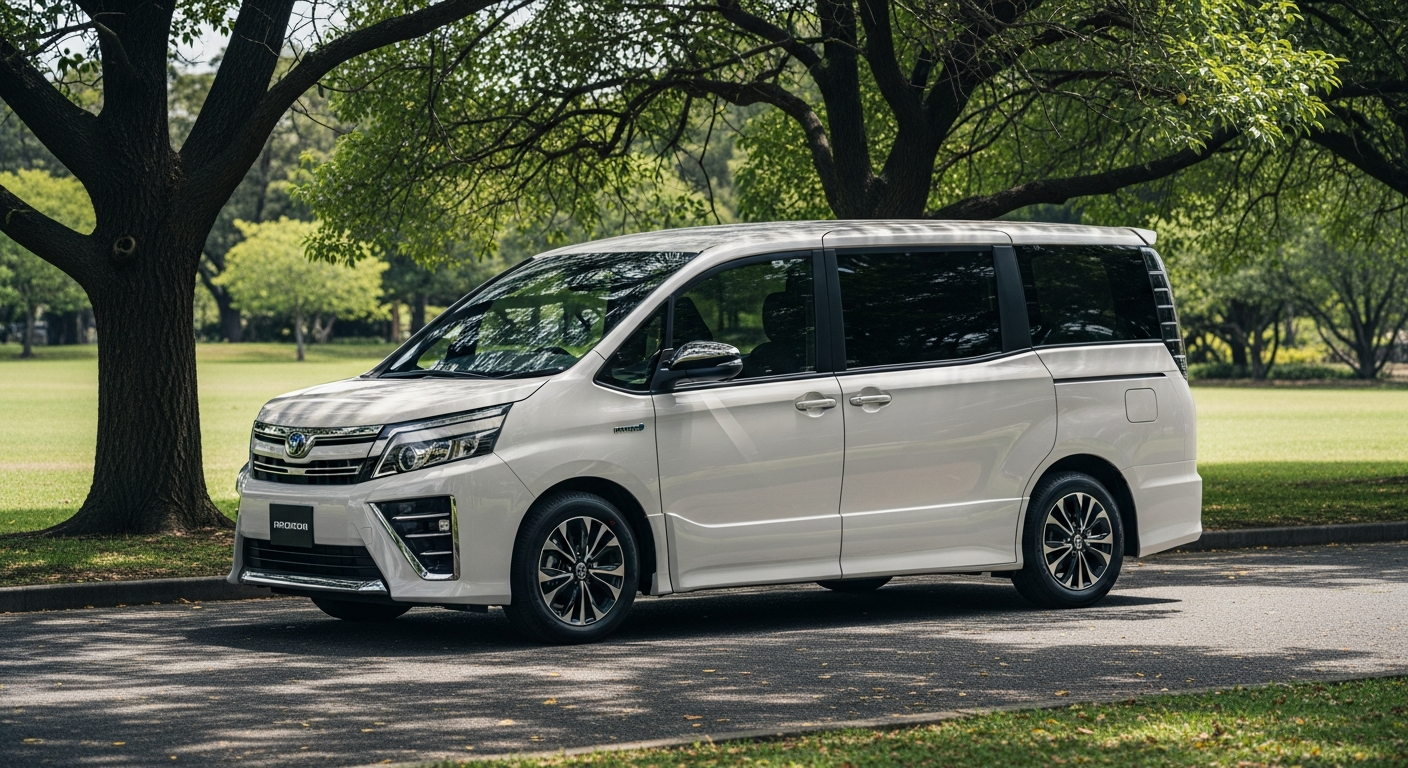
Why is it in this article? Because it makes life easier in a completely different way from the hatchbacks. The Voxy is not about being the smallest or sportiest option here. It is about removing everyday family inconvenience. Sliding doors make child access easier in tight parking bays. Dual air conditioning makes rear passengers happier. Seven-seat flexibility means the car can adapt to people, cargo, or both. That kind of convenience becomes much more valuable over time than a slightly sharper exterior design ever will.
The available features back that up well. The example currently in this market band includes dual air conditioning, an electric sliding door, EV Mode, lane departure warning, front collision warning, automatic high beam, cruise control, reversing camera, and Apple CarPlay/Android Auto. That is why the Voxy deserves a place in a “best affordable hybrids” article. It shows that even in this bracket, buyers can still find a hybrid that is genuinely family-oriented rather than just efficient. It makes life easier by giving the owner fewer reasons to outgrow the car too quickly.
So which one actually helps the most?
That depends on what kind of life you are trying to improve. If the goal is easier commuting and smoother city driving, the Nissan Note e-POWER makes a compelling case because its series-hybrid layout gives it a more EV-like feel in traffic. If the goal is low-regret ownership and familiar hybrid dependability, the Toyota Yaris remains one of the strongest choices. If the goal is versatility, comfort, and a more flexible body style, the Honda Vezel is one of the most complete options. If the goal is premium feel in a compact footprint, the Nissan Aura is the standout. If the goal is all-round practicality in a small package, the Honda Fit is incredibly hard to dismiss. And if the goal is make family life easier, the Toyota Voxy may be the most useful car here even if it is not the smallest.
That is really the main lesson of this whole category. Affordable hybrids are no longer just about fuel economy. The best ones reduce daily stress. They make parking simpler, commuting quieter, family duties easier, and ownership more manageable. That is what real value looks like. Not just a lower number at the pump, but a car that genuinely fits your life better.