



Ready to Hit the Road in Style?
Save money and reduce emissions with vehicles designed to deliver exceptional mileage. Visit our inventory and find a car that fits your lifestyle.
Ready to Hit the Road in Style?
Save money and reduce emissions with vehicles designed to deliver exceptional mileage. Visit our inventory and find a car that fits your lifestyle.
Another driver can brake, merge or turn without warning. Defensive driving helps you preserve enough time and space to respond smoothly. In 2025, Australia recorded 1,310 road deaths, according to the National Road Safety Data Hub’s Monthly road deaths report, released in 2026. Recent records may be revised.
Quick Answer
- Create more time, space and attention around your car.
- As accessed in 2026, NSW Government’s Safe stopping distance guidance recommends a three-second gap in good conditions and at least five seconds at higher speeds.
- Set navigation and music before moving.
- As accessed in 2026, NSW Government’s Driving distractions guidance says two seconds looking away at 50km/h covers about 28 metres.
- Slow down when grip or visibility worsens.
Defensive Driving Explained
Accessed on 17 August 2026, the NSW Government’s Safe stopping distance guidance said an alert driver may need about 1.5 seconds to see a hazard, understand it, decide what to do and begin acting. It allows at least another 1.5 seconds for the physical response, such as braking. Defensive driving means noticing hazards early, then adjusting your speed, position and attention before the situation becomes urgent.
Think of the technique as time, space and attention. See early, create space and respond smoothly. Road rules remain the baseline, while device restrictions and other requirements can vary between jurisdictions. Driver-assistance technology remains a backup, not permission to disengage.
Eight Defensive Driving Tips That Matter Most
Accessed on 17 August 2026, the NSW Government’s Safe stopping distance guidance recommended at least a three-second gap in good conditions and at least five seconds at higher speeds. The most useful defensive driving tips build on that buffer by improving your hazard awareness, controlling distractions and helping you respond calmly.
1. Keep a Safe Following Gap
Choose a fixed roadside object. Start counting when the vehicle ahead passes it. Increase the gap to four or more seconds on wet, dark, icy or unsealed roads.
Three-second check: Pick a marker, count three seconds and note when you reach it. If you arrive early, ease off and check again.
2. Scan Beyond the Car in Front
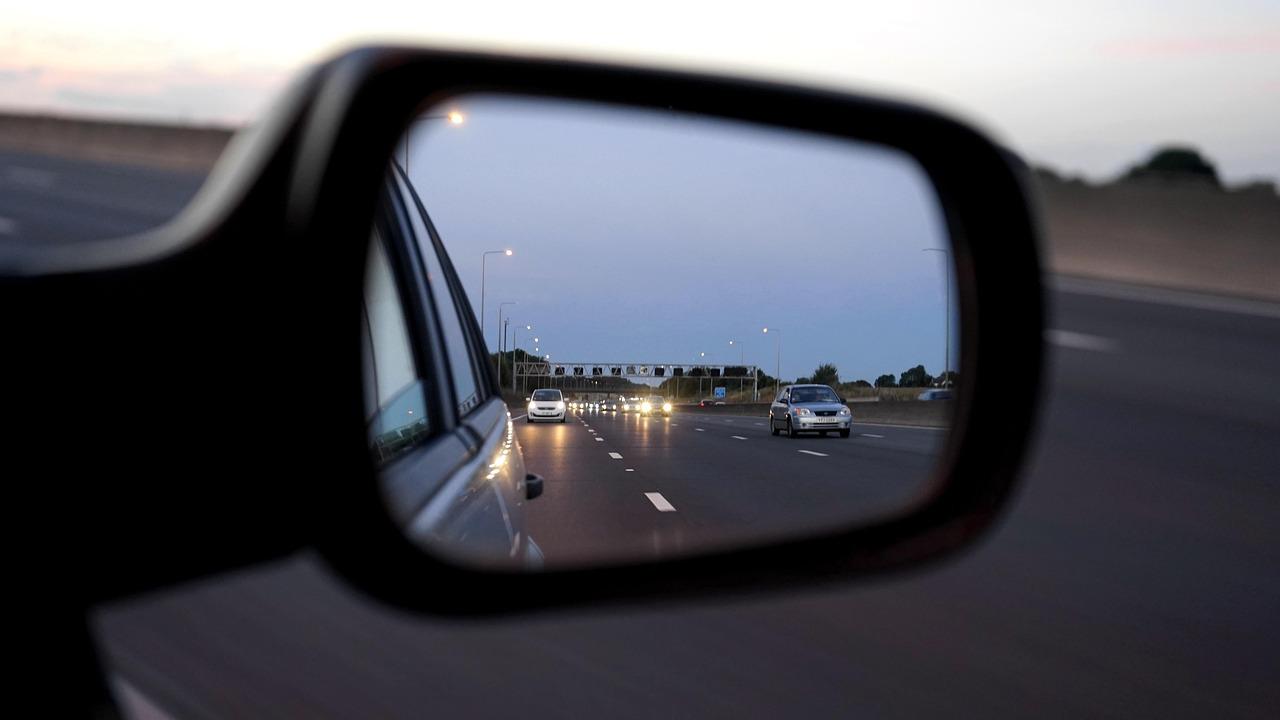
Look further down the road. Watch side streets, brake lights, pedestrians and changing traffic flow. Check your mirrors regularly so you can brake earlier and more smoothly.
3. Control Distractions Before Moving
Set navigation, music and climate controls before leaving. Accessed on 17 August 2026, the NSW Government’s Driving distractions guidance said looking away for two seconds doubles crash or near-crash risk.
Before moving, adjust your mirrors and set your navigation so you don’t need to make changes in traffic.
Two seconds at 50km/h means travelling about 28 metres without watching the road.
4. Drive to the Conditions
The speed limit isn’t a target for every situation. Reduce speed when rain, darkness, glare, roadworks, traffic or poor visibility shortens your response window.
5. Stay Out of Blind Spots
Avoid sitting beside another vehicle longer than necessary. Keep a predictable speed, check your mirrors and complete a head check before changing lanes.
6. Approach Intersections Cautiously
Scan for pedestrians, cyclists and late-entering vehicles, even when the light changes in your favour. Leave enough room to stop smoothly if something changes.
7. Give Aggressive Drivers Room
Don’t retaliate, brake-check or deliberately block another vehicle. Increase your space ahead, keep your speed predictable and let the other driver pass when safe.
8. Don’t Drive Tired or Impaired
Concentration can fade before you feel exhausted. Accessed on 17 August 2026, NSW Government’s Rest Areas guidance recommended stopping every two hours on longer drives. You can also prepare your car for a road trip.
Can a Safer Car Replace Defensive Driving?
Accessed on 17 August 2026, ANCAP’s Frequently Asked Questions recommended choosing the highest possible safety rating with a “TESTED” datestamp no older than six years. A safer car can add protection, but it cannot replace observation, an appropriate speed or enough following distance.
AEB, lane-support systems, reversing cameras and blind-spot monitoring provide another safety layer. Check availability by exact model, variant and build date. Some imported used vehicles may not have an Australian ANCAP rating.
At Carbarn, you can browse used cars and review listed equipment alongside applicable safety information. Attentive driving still matters in every vehicle.
Where Do These Defensive Driving Tips Come From?
- National Road Safety Data Hub, Monthly road deaths, retrieved 2026-08-17
- NSW Government, Safe stopping distance, retrieved 2026-08-17
- NSW Government, Driving distractions, retrieved 2026-08-17
- NSW Government, Rest Areas, retrieved 2026-08-17
- ANCAP, Frequently Asked Questions, retrieved 2026-08-17
- Queensland Government, Road safety during wet weather, retrieved 2026-08-17