




Ready to Hit the Road in Style?
Save money and reduce emissions with vehicles designed to deliver exceptional mileage. Visit our inventory and find a car that fits your lifestyle.
Ready to Hit the Road in Style?
Save money and reduce emissions with vehicles designed to deliver exceptional mileage. Visit our inventory and find a car that fits your lifestyle.
Petrol crossed $2.40 a litre on the Australian east coast earlier this year and something shifted. EV finance applications through Commonwealth Bank jumped 161 per cent since March. The Electric Vehicle Council put EVs at 13.1 per cent of all new vehicle sales across 2025. That is not a niche anymore.
The buyers driving that number are practical people who ran the numbers on fuel and arrived at a different answer. They are now looking for a real car at a real price, and that is where most EV roundups let them down.
Every list of the best electric cars in Australia in 2026 lands on the same models. Tesla, BYD, Hyundai, MG. Solid cars, all of them, but every single one comes with a local dealer margin attached. For buyers switching because petrol is genuinely hurting the budget, that list does not answer the question they are actually asking.
There is a different shortlist. It comes from Japan.
The EVs Worth Considering
Nissan ARIYA: Best all-round. Proper SUV, real range, tows.
Nissan Leaf ZE1 40 kWh (2017-2019): Best budget commuter available as a used import.
Nissan Leaf e+ 62 kWh (2019-2020): The Leaf with enough range to stop thinking about range.
Honda e: Brilliant city car for a very specific buyer. Not a general recommendation.
Peugeot e-208: Genuinely good small EV sourceable through Japan. Niche, but worth knowing.
All five can be sourced from Japan through a professional import service. If importing sounds complicated, it is not, a good importer handles the entire process from sourcing through to compliance and registration, and most buyers have their car within four to six weeks of choosing it.
Nissan ARIYA: The One That Does Everything
Of all the electric cars in Australia you can source from Japan right now, the Nissan ARIYA has the broadest brief. It is a proper SUV with a 63 kWh or 87 kWh battery, five real seats, and 1,500 kg towing on the AWD variants. The dual-motor Evolve does 0-100 in 5.6 seconds. Real-world range in Australian conditions will fall short of the 504 km WLTP figure, but it will not embarrass you on a Sydney to Canberra run.
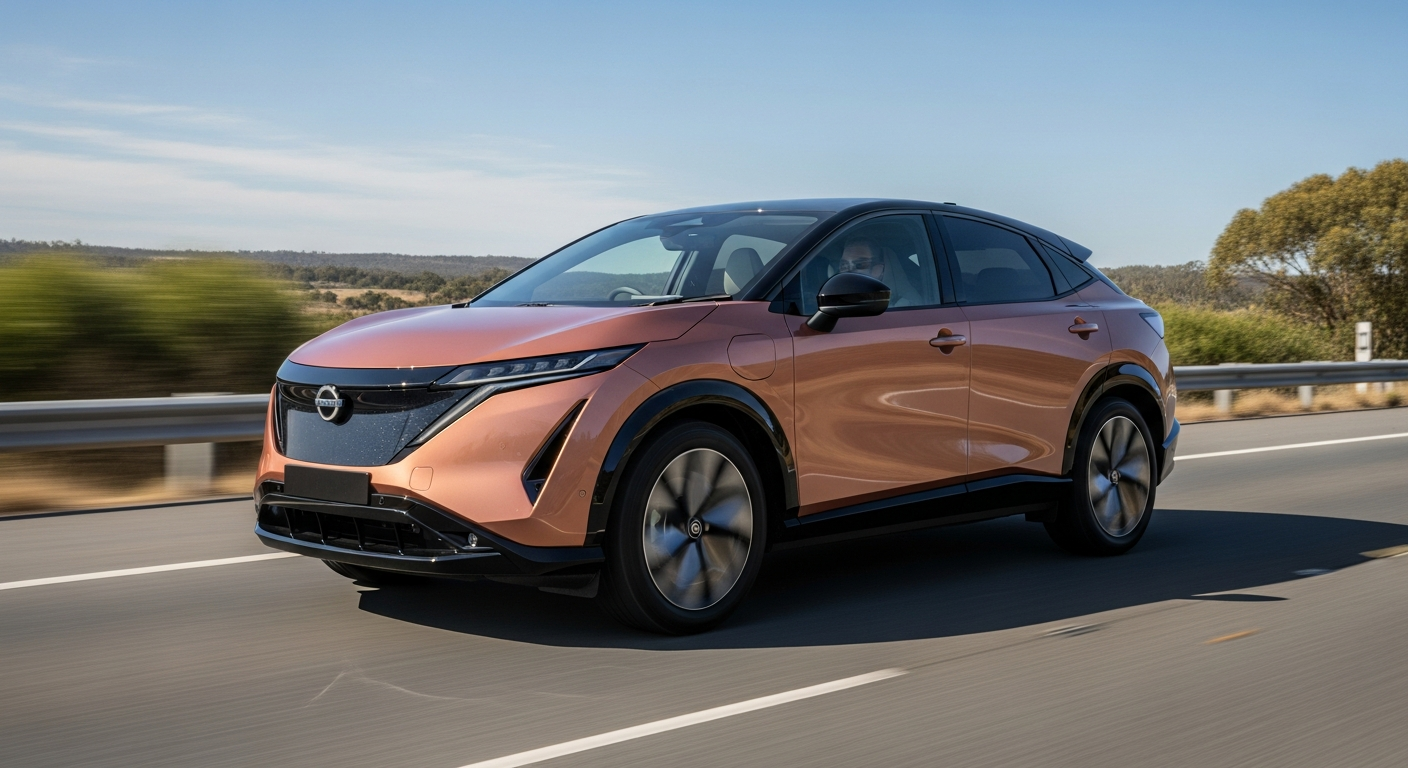
Dual 12.3-inch screens, a flat floor, and materials that do not feel like a cost-cutting exercise. DC fast charging up to 130 kW means 10-80 per cent in around 35 minutes. Nissan sells the ARIYA new in Australia from around $55,840 before on-roads, so the case for importing depends on variant, timing, and what local pricing looks like when you are ready to buy. Worth comparing directly with Carbarn before assuming either way.
Nissan Leaf ZE1 40 kWh: The Honest Commuter
The second-generation Nissan Leaf ZE1 40 kWh does not get enough credit. It has been on Australian roads for years, running costs are genuinely low, and as a used import it is one of the best value electric cars available in Australia right now.
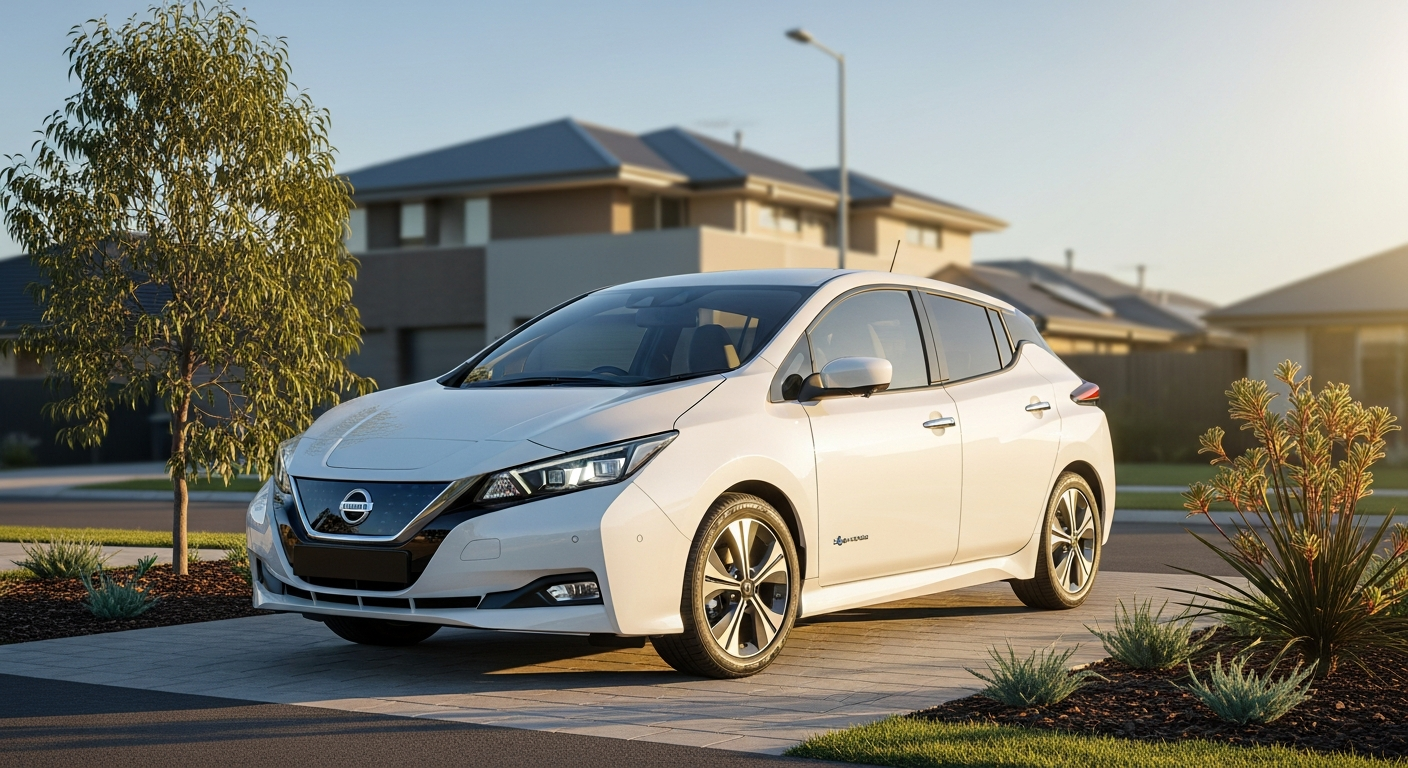
The 40 kWh version produces 110 kW and 320 Nm, with real-world daily range around 200-240 km. Most Australians drive under 50 km a day. That range is not a limitation, it is just fine. The e-Pedal one-pedal driving mode sounds like a gimmick until you have used it in traffic for a week.
One thing to understand before buying: the Leaf uses CHAdeMO for DC fast charging. The network still exists across Australia, including at Nissan dealerships, but it is not growing the way CCS2 is. If you mostly home-charge, it is a minor consideration. If you are counting on public fast chargers for regular longer trips, check local CHAdeMO coverage first.
Battery health on any used EV from this era deserves proper attention. Ask for it. Any reputable importer provides it.
Nissan Leaf e+ 62 kWh: More Range, Fewer Compromises
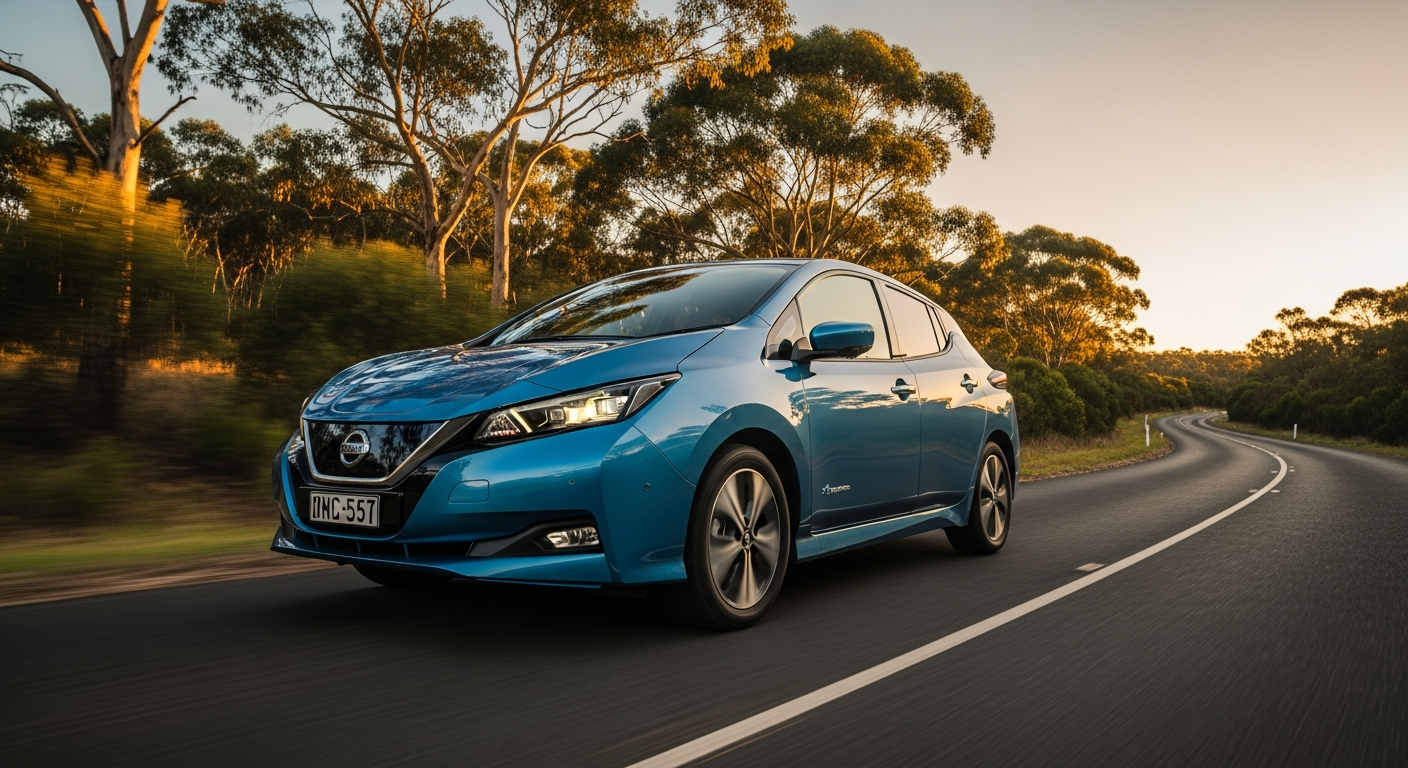
Same platform, bigger battery, faster motor. The Nissan Leaf e+ 62 kWh from the 2019-2020 build window removes the one meaningful limitation the 40 kWh has. With the smaller battery, longer days require some planning. With the 62 kWh, you mostly just drive. DC fast charging goes up to 100 kW on the e+, double the 40 kWh rate. If the price difference is manageable, this is the variant to target.
Honda e: The City Car That Actually Means it
A 4.3-metre turning circle. Rear-wheel drive with a 50/50 weight distribution. Five screens across the full dashboard. Camera-based side mirrors. The Honda e is genuinely designed around city use in a way that most small electric cars in Australia simply are not.
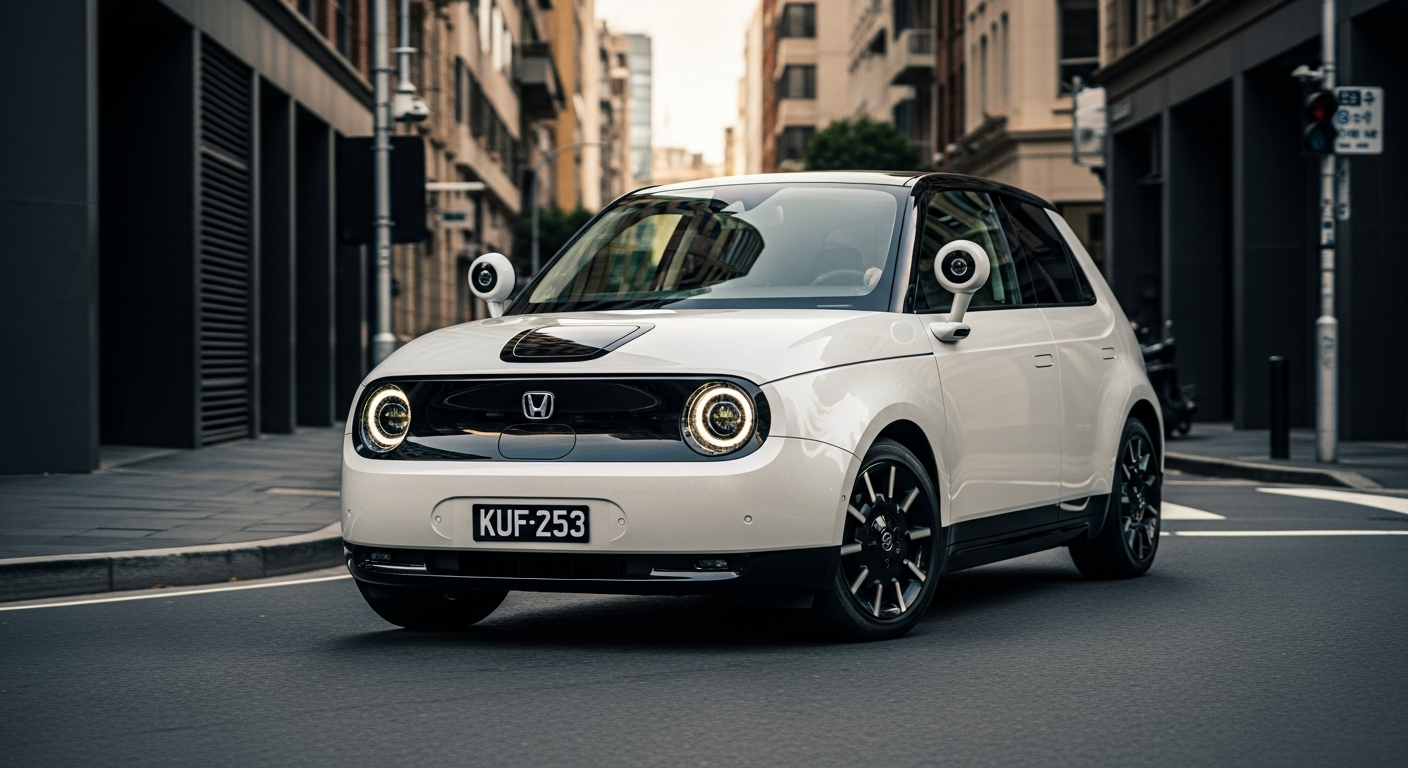
Real-world urban range is around 160-190 km. That number determines everything. If your driving is predictably urban with reliable home charging, this is the most satisfying car on this list to drive. If your life involves regular trips beyond 150 km or any highway driving, this is not your car. Honda discontinued the e in Japan in 2024, so supply is limited and will only tighten.
Peugeot e-208: The European One Worth Knowing About
The Peugeot e-208 is a European car that flows into Australia through Japanese import channels. The 50 kWh battery gives around 280-320 km of real-world range, a meaningful step above the Honda e. CCS2 fast charging at up to 100 kW is the right standard for Australian public infrastructure. The styling is genuinely attractive without looking like an appliance.
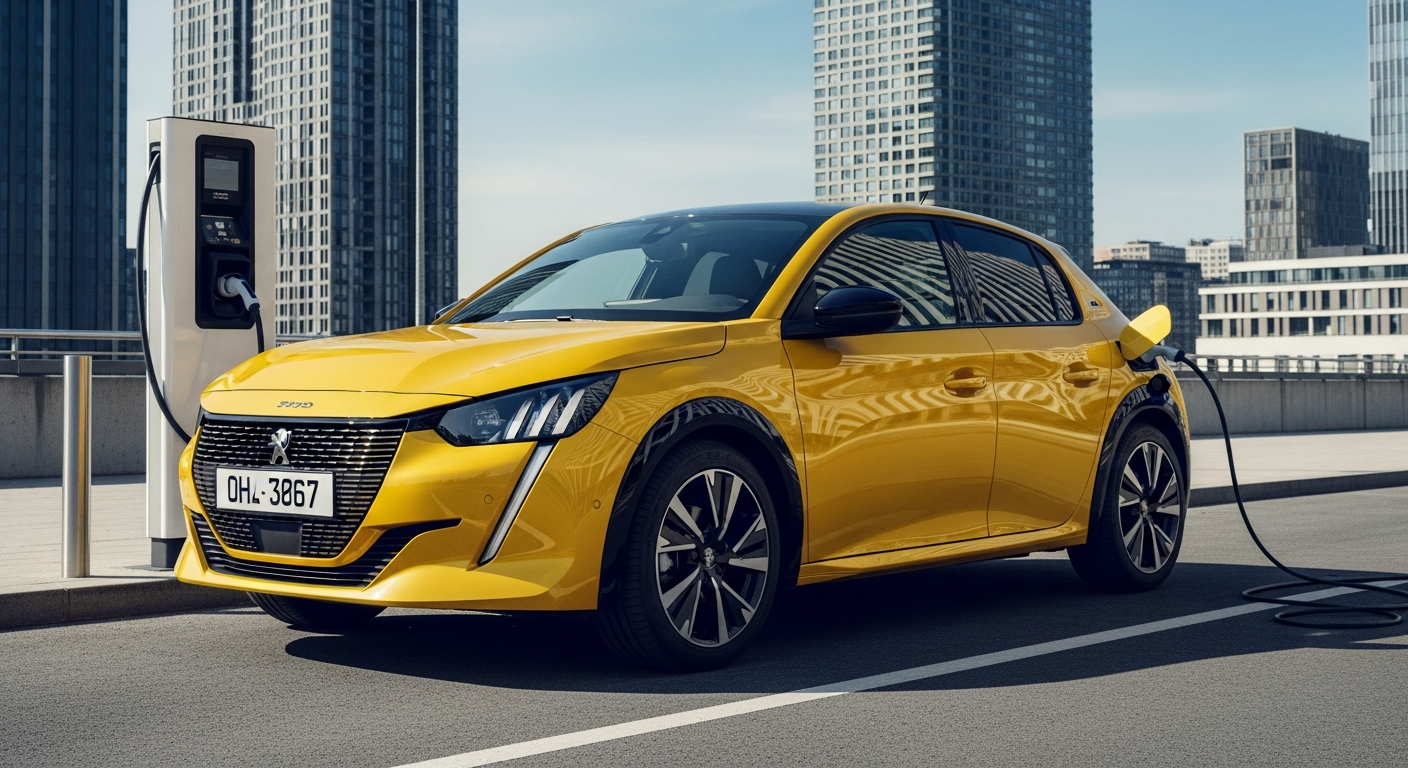
The honest caveat is supply. The e-208 comes through Japanese channels in smaller, less predictable volumes than the Nissan range. The service network is concentrated in major cities. If you want this specific car, talk to Carbarn about what is currently available before committing to a timeline.
Which One Suits You
Need a proper SUV for family use and occasional towing? The ARIYA is the only vehicle here that covers that brief.
Want the cheapest electric vehicle in Australia that still has a real reliability record? The Leaf ZE1 40 kWh is the most practical entry point. If budget allows, the 62 kWh e+ removes the range limitation and is worth the difference.
Genuinely urban driving, tight parking, care about how the car feels? The Honda e, but only if the range constraint truly does not apply to your life.
Drawn to the e-208 specifically? It is a good car. Go in with realistic expectations on timing and availability.
Not ready for full electric yet? Carbarn's hybrid stock is worth a look first.
How Importing Through Carbarn Works
You choose the car. Carbarn handles everything else: sourcing through Japanese auction channels, shipping, customs clearance, compliance to Australian Design Rules, and registration. Before you commit, you get a full landed cost breakdown covering the vehicle, freight, import duties, compliance, and registration together. No costs appearing after the fact.
Typical timeline from selection to handover is 4 to 6 weeks. The result is a compliant, registered vehicle ready to drive.
See how the process works in detail.
Final Thoughts
The shift toward electric cars in Australia in 2026 is practical maths, not idealism. Petrol costs have changed the calculation for a lot of buyers who were never particularly interested in EVs.
Japan has had a serious EV market since 2010. Australians have sourced quality used vehicles from there for over thirty years. Combining those two facts in 2026 is not a complicated idea. It is just one that most EV roundups never get to.
If any of these cars match what you are looking for, the conversation starts with a landed cost and what is currently available.
Explore Carbarn's import service