



Ready to Hit the Road in Style?
Save money and reduce emissions with vehicles designed to deliver exceptional mileage. Visit our inventory and find a car that fits your lifestyle.
Ready to Hit the Road in Style?
Save money and reduce emissions with vehicles designed to deliver exceptional mileage. Visit our inventory and find a car that fits your lifestyle.
- 1 Significance of comparing the 2017 Toyota C HR Australian and Japanese models
- 2 2017 Toyota C HR Review: Global Popularity
- 3 Key Specifications Comparison Between 2017 Toyota C-HR Australian and 2017 Toyota Japanese C-HR
- 4 Driving Experience and Practicality of Australian and Japanese Toyota C-HR
- 4.1 City Driving
- 4.2 Long-Distance Travel
- 5 Environmental Impact of the 2017 Toyota C-HR
- 5.1 Hybrid Advantage: Reduced Emissions
- 5.2 Petrol Engine’s Impact
- 6 Which 2017 Toyota C-HR is Right for You?
The 2017 Toyota C HR is the best SUV that quickly became a hit around the world thanks to its stylish look and flexible performance. With this model, however, Toyota didn't make it the same for everyone. Instead, the C HR was changed to fit the tastes of people in different areas, which is why Australia and Japan have different forms.
The C-HR was made to be a practical and safe choice in Australia. It offers a dynamic driving experience and comes with both manual and automatic transmission options. On the other hand, the Japanese market got a hybrid version of the C-HR that focused on being fuel-efficient and eco-friendly. This made it great for drivers who care about the environment.
Both versions share Toyota's dedication to quality and new ideas, but their differences show how the company changes to meet the needs of people around the world. This comparison looks at what makes these two types different and why people still choose them in their own markets.
Significance of comparing the 2017 Toyota C HR Australian and Japanese models
The 2017 Toyota C HR models from Australia and Japan are similar and different, which shows that Toyota can change to different markets. In Japan, the hybrid form shows a focus on sustainability by reducing emissions and using less fuel, which is in line with the country's environmental goals. The Australian gasoline model, on the other hand, is built to last and perform well, making it good for going on different types of terrain and long distances, but it has a bigger effect on the environment.
This difference highlights the balance between new ideas and reality, showing how automakers customise cars to meet the needs of local consumers and infrastructure while also tackling global issues like sustainability.
2017 Toyota C HR Review: Global Popularity
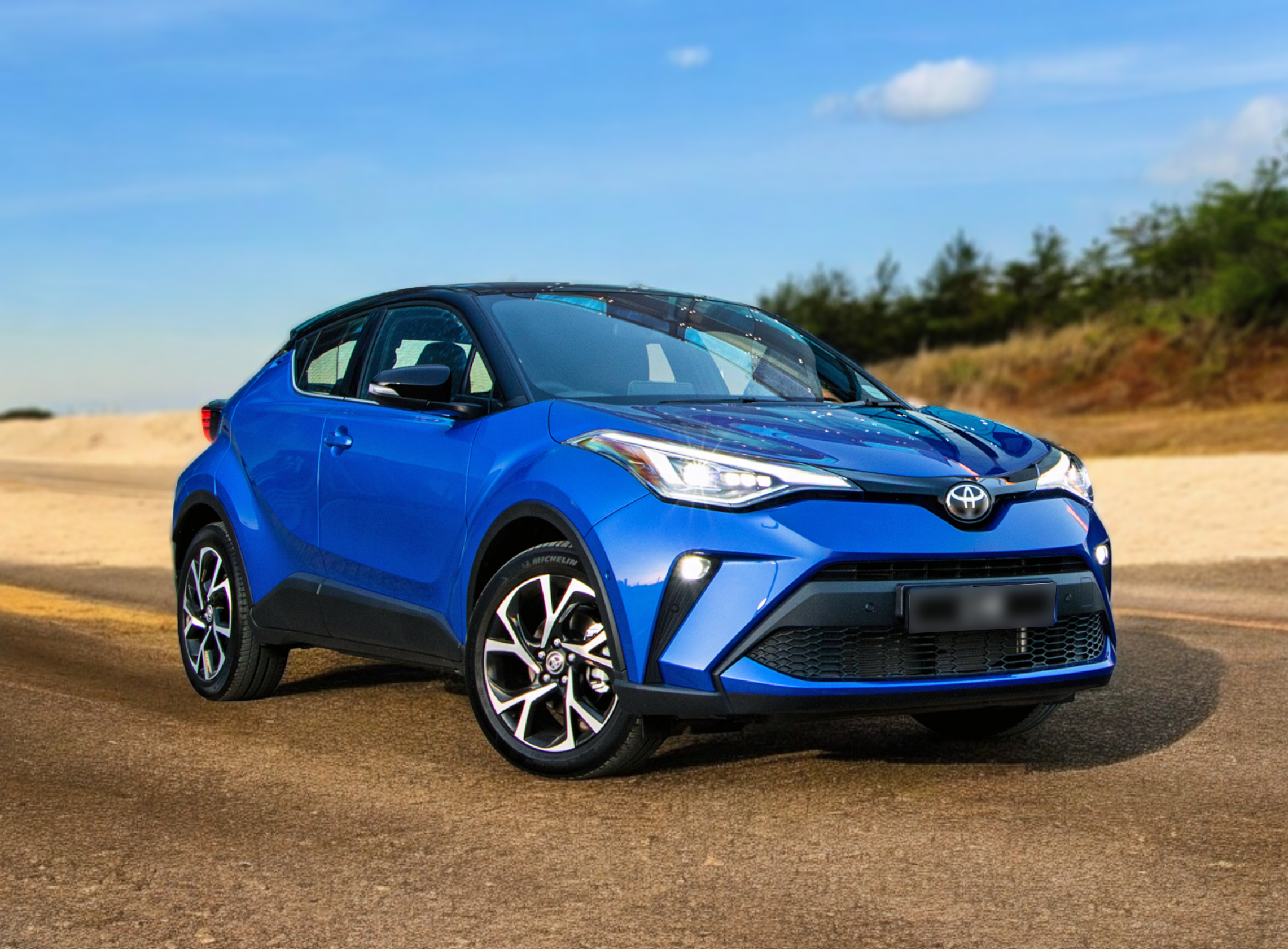
The 2017 Toyota C HR is a bold and new small SUV that combines style, functionality, and cutting-edge technology. The C-HR stands out on any road thanks to its aggressive front grille, sharp lines, and shape that looks like a coupe. Its high ride height gives you a great view, and its small size makes it easy to move around in cities.
From the inside out, the is designed to give you a balanced drive experience. Its engine runs smoothly, so it can be used for both short trips to work and long trips on the highway. Focusing on fuel efficiency means lower running costs, which makes it appealing to people who live in cities and people who drive long distances.
The C-HR has a great interior with high-quality materials and a design that puts the driver first. Ergonomic seats and high-tech features like a high-resolution entertainment system and dual-zone climate control make the car more comfortable. The well-thought-out plan makes every trip fun, no matter how long or short it is.
Another great thing about the 2017 Toyota C HR is that it is safe. It comes with Toyota's Safety Sense suite, which includes advanced features like Adaptive Cruise Control, a Pre-Collision System, and Lane Departure Alert. These features make sure that both the driver and passengers are safe while driving.
The 2017 Toyota C-HR is still a popular choice for people who want a modern, versatile small best SUV. It looks good, runs well, and has many high-tech features.
Key Specifications Comparison Between 2017 Toyota C-HR Australian and 2017 Toyota Japanese C-HR
Feature | Australian C-HR | Japanese C-HR |
| Engine | 1.2-litre turbocharged petrol | 1.8-litre hybrid system |
| Power Output | 85 kW (114 hp) | 72 kW (97 hp) petrol + 53 kW (71 hp) electric |
| Transmission | 6-speed manual or CVT (FWD & AWD options) | e-CVT |
| Fuel consumption | 6.3–6.5 L/100 km (combined) | 4.0–4.3 L/100 km (combined) |
Driving Experience and Practicality of Australian and Japanese Toyota C-HR
This comparison looks at how these two markets affect the Toyota C-HR's driving experience and usefulness, focusing on the unique features that make each version interesting to its own group of people.
City Driving
- Australian Model for City Driving It was made for local roads and has a comfortable suspension and accurate steering, which makes it perfect for getting through city traffic and on rough urban roads. The adaptive speed control and lane-keep assist make commuting easier.
- The model from Japan is small and quick, but it's great for places with limited room and a lot of traffic. Advanced safety features, such as automatic brakes, make the car safer, but the suspension may be stiffer, making it less suitable for rough Australian roads.
Long-Distance Travel
- Model from Australia Stable suspension, adaptive cruise control, and great fuel mileage, especially in hybrid models, make this car perfect for long drives on Australian roads.
- Model from Japan It gets better fuel mileage and looks better, but the suspension is stiffer than on the Australian version, which makes long drives less comfortable.
Both models are great in their own ways, making them suitable for people who commute in cities or drive long distances.
Environmental Impact of the 2017 Toyota C-HR
Each choice has different effects on the climate, affecting emissions and fuel efficiency. For consumers who want to make decisions that are good for the environment, it's important to understand these effects:
Hybrid Advantage: Reduced Emissions
By combining a gasoline engine with an electric motor, the 2017 Toyota C-HR hybrid model cuts pollution by a large amount. This hybrid powertrain uses less fuel, especially when moving in cities, and gives off fewer greenhouse fuels. Features like regenerative braking make cars even more environmentally friendly by collecting energy when the brakes are applied to charge the battery, which also helps clean the air.
Petrol Engine’s Impact
The gasoline engine version, on the other hand, leaves a bigger mark on the earth. It gets pretty good fuel mileage, but it puts out more CO2 and other toxic fuel than the hybrid. In Australia, using gasoline engines can cause more air pollution and greenhouse fuel emissions. This shows that there are trade-offs between being environmentally responsible and getting good performance.
Which 2017 Toyota C-HR is Right for You?
The 2017 Toyota C-HR comes in two different styles to meet the wants of different people. The model that is delivered in Australia is great for people who want a good mix of performance and usability. It's great for commuting in the city and going on short trips because it has a turbocharged gasoline engine and different transmission choices. You can choose between a manual or automatic transmission, and all-wheel drive is also a choice for better handling on rough roads.
The hybrid model from Japan is designed for drivers who care about the environment and want to save money in the long run. Its hybrid engine combines gas and electric power in a way that doesn't feel rough or noisy. The modern electronic transmission makes it more efficient, which makes it great for city traffic. It also cuts down on pollution and fuel costs by a large amount.
You can choose the C-HR, which is made in Australia and has a lot of different uses, or you can choose the Japanese hybrid, which gets great fuel mileage and is better for the environment. Either one is a good choice because they both have current looks and the dependability that Toyota is known for. For choose the right car check these Toyota C-HR cars for sale.
In comparing the 2017 Toyota C-HR models from Australia and Japan, several key differences and similarities emerge. Both versions offer a stylish design, advanced safety features, and a comfortable driving experience, appealing to a wide range of consumers. However, the Australian model tends to be equipped with features that cater specifically to local preferences, such as enhanced suspension for better handling on varied terrain and unique trim options. Conversely, the Japanese model boasts a more compact design and potentially different technology integrations that reflect the domestic market's needs.
In conclusion, There are some big changes and similarities between the 2017 Toyota C-HR models from Australia and Japan. Both versions look good, have lots of safety measures, and are comfortable to drive, so they appeal to a wide range of customers. But the Australian model usually comes with features that are designed to fit local tastes, like better handling on different types of terrain thanks to improved suspension and different trim choices. On the other hand, the Japanese model has a smaller size and might have