



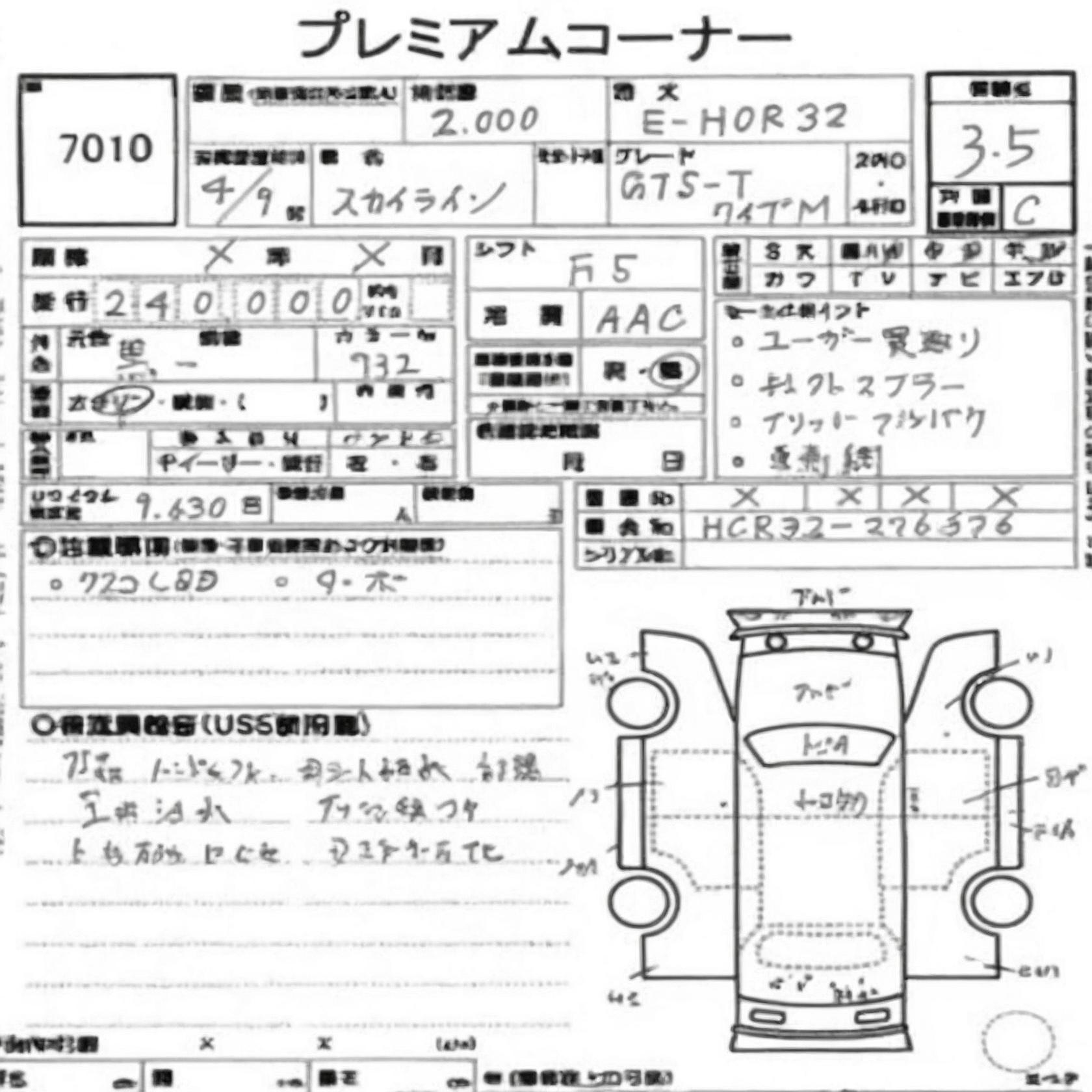
Ready to Hit the Road in Style?
Save money and reduce emissions with vehicles designed to deliver exceptional mileage. Visit our inventory and find a car that fits your lifestyle.
Ready to Hit the Road in Style?
Save money and reduce emissions with vehicles designed to deliver exceptional mileage. Visit our inventory and find a car that fits your lifestyle.
When it comes to purchasing a used car from Japan, understanding the auction grading system is crucial. Japan Auction grades play a significant role determining the resale value of Japanese import cars in Australia. Buyers and sellers alike rely on these grades to assess the condition and quality of the vehicles. This comprehensive guide will explore the impact of auction grades on the resale value of Japanese import cars in Australia. We will delve into the significance of auction grades, how they are assigned, and what each grade signifies in terms of car condition. By the end of this article, you will have a clear understanding of how auction grades can influence the resale value of Japanese imported cars in the Australian market.
The Significance of Japan Auction Grades
Auction grades serve as an important indicator of a Japanese import car's condition and quality. These grades provide potential buyers with valuable information about the vehicle's history, maintenance, and overall condition. In the Australian market, auction grades are a key factor in determining the resale value of Japanese import cars. Car dealers, importers, and individual buyers rely on these grades to assess the value and desirability of a vehicle. Understanding the auction grading system is essential for making informed purchasing decisions and maximizing resale value.
The Japanese Auction Grading System
The Japanese auction grading system is a standardized method used to assess the condition of used vehicles. This system assigns a grade to each car based on its overall condition, interior condition, and exterior condition. The grades range from S (new car condition) to 1 (extensive damage or engine problems). Understanding the different grades and their implications is crucial for buyers and sellers in the Australian market.
Grading System In Japan
The overall grading of a Japanese import car provides an overview of its overall condition. The grades range from S to 1, with each grade indicating a specific level of quality and condition.
S: This grade is reserved for cars that are essentially in new condition. These vehicles are typically less than a year old with minimal mileage and no visible wear or damage.
6: Cars with a grade of 6 are still considered almost new. They are usually up to three years old and have low mileage. Some minor scratches may be present, but overall, they are in excellent condition.
5: A grade of 5 signifies a used car in excellent condition. These vehicles have a moderate mileage range and may have a few small scratches or dents on the exterior.
4.5: Cars with a grade of 4.5 are still in high demand. They have a higher mileage range but are generally well-maintained. Some minor scratches or dents may be present, and there is a slight possibility of repaired or replaced body parts.
4: This grade indicates a car that has not been in any accidents. It may have higher mileage but is still in good overall condition. Visible scratches may be present, and the interior may show signs of wear or damage.
3.5: Cars with a grade of 3.5 are considered to be in average condition. They may require some bodywork and have noticeable wear or damage on the interior.
3: A grade of 3 signifies a car with visible scratches, dents, and signs of rust or corrosion. The interior is likely to have significant wear and tear, including tears, cigarette burns, or stains.
2: This grade is reserved for cars in poor condition. They may have extensive rust, corrosion, or various mechanical issues. These vehicles are generally not recommended for purchase unless for parts.
1: A grade of 1 indicates a car that has been flooded. These vehicles have significant engine problems or extensive bodywork damage.
RA: Cars with the RA grade have been repaired after a regular car crash. They may have had some bodywork done, and it's important to carefully inspect the panel gaps and paintwork.
R: The R grade is assigned to vehicles that have been involved in a serious car crash. While they may have been repaired, further fixing may be required. It's important to note that these cars may not be drivable or movable under their own power.
(99, x, etc.): This symbol indicates that the car has been in an accident or has serious engine trouble that has not been fixed.
Interior Grading of Japanese Import cars
In addition to the overall grading, Japanese auction sheets also provide information about the interior condition of the vehicles. The interior grading ranges from A to E, with each grade reflecting the quality and condition of the car's interior.
A: Cars with an A grade have an interior that is described as new and in pristine condition.
B: The B grade signifies a car with a good interior condition. It may show minimal signs of use but overall looks tidy and well-maintained.
C: Cars with a C grade may have small food stains or cigarette holes in the interior.
D: The D grade indicates an interior with noticeable tears, stains, cigarette burns, or unpleasant odors.
E: Cars with an E grade have an interior in terrible condition, with all of the aforementioned issues and potentially even worse.
Exterior Grading
The exterior grading of a Japanese import car provides information about the condition of the vehicle's exterior. Similar to the interior grading, the exterior grading ranges from A to E.
A: Cars with an A grade have an exterior in excellent condition, with no visible scratches or damage.
B: The B grade may indicate the presence of small scratches, usually up to 15 cm in length.
C: Cars with a C grade may have scratches up to 30 cm in length or dents on the exterior.
D: The D grade signifies visible scratches, rust, or corrosion on the exterior.
E: Cars with an E grade have an exterior in poor condition, with extensive rust, corrosion, and various exterior breakdowns.
Additional Abbreviations and Signs
Japanese auction grade lists often include additional abbreviations and signs that provide further information about the vehicles. These abbreviations represent various features and conditions of the cars and can be useful for buyers to understand the specifications of the vehicles they are interested in. Some common abbreviations include:
AAC: Climate Control Air Conditioner
AC: Air Conditioner
AIRBAGU: Airbag
AW: Original Alloy Wheels
CA: Column Automatic Transmission
F5: 5-Speed Manual Transmission
F6: 6-Speed Manual Transmission
FA/AT: Automatic Transmission
KAWA: Leather seats
NAVI: Navigator
PS: Power Steering
PW: Power Windows
SR: Sunroof
TV: Television
How to Read a Japanese Auction Sheet?
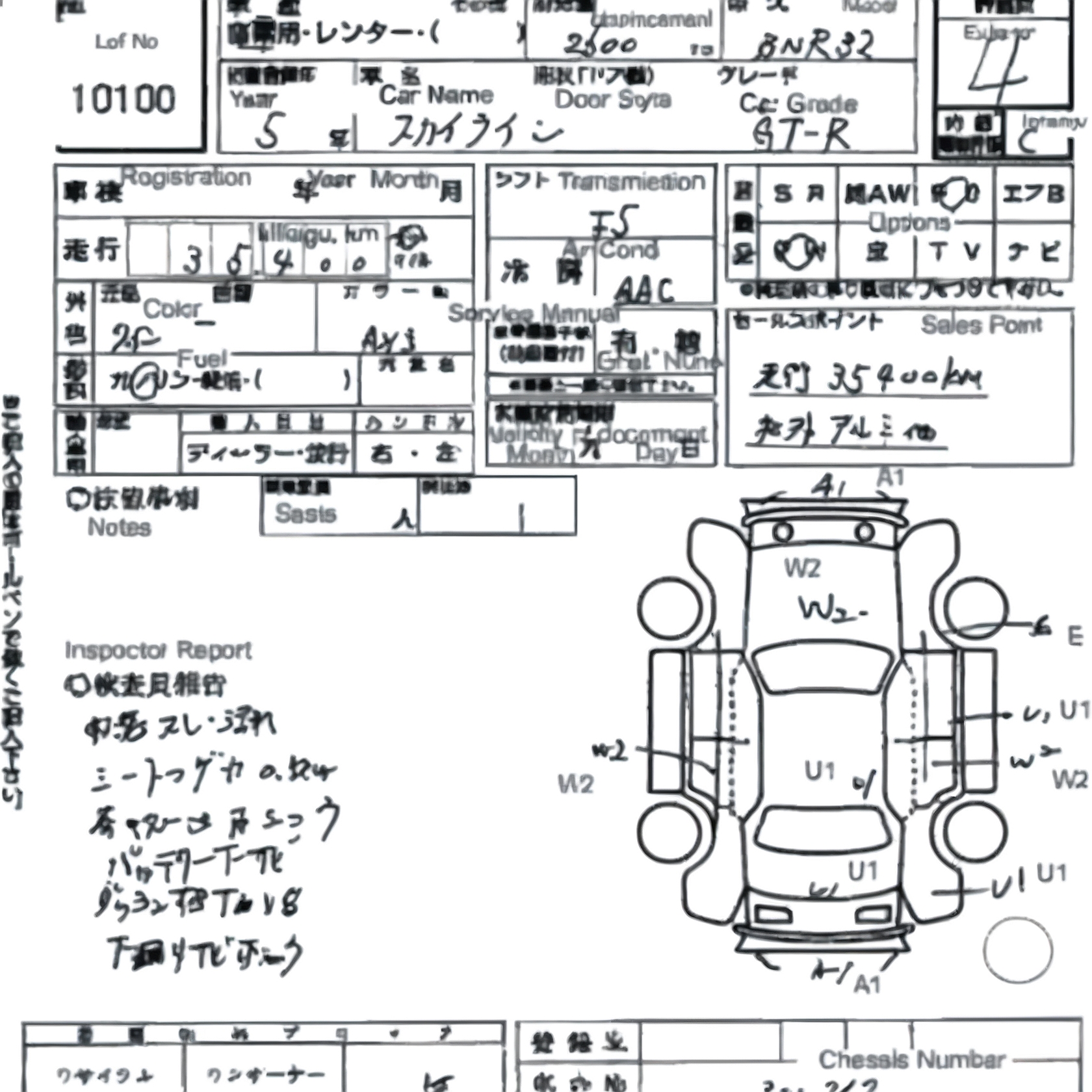
Reading a Japanese auction sheet is crucial for understanding a vehicle's details and condition.The sheet includes vehicle information such as the make, model, year of manufacture, and chassis number. Condition grading is given on a scale from 1 to 5, with 5 being the best. Exterior and interior conditions are noted, along with any specific issues like engine or transmission problems.
Photographs are often included to highlight important features or concerns. Key codes may appear, such as KMs for kilometers driven, A/C for air conditioning status, R for repairs, and S for service history.
Additional information includes the auction date and house name, along with the final sale price. Familiarizing yourself with these components will help you assess vehicles effectively. If needed, seek professional assistance for clarification on specific terms.
In addition to the abbreviations, Japanese auction lists also include specific signs and codes to denote certain exterior conditions, such as scratches, dents, paint blemishes, rust, and corrosion. These signs are represented by letters and numbers and provide detailed information about the vehicle's exterior condition.For know more about Japanese Delivered vehicles, please visit Carbarn!