


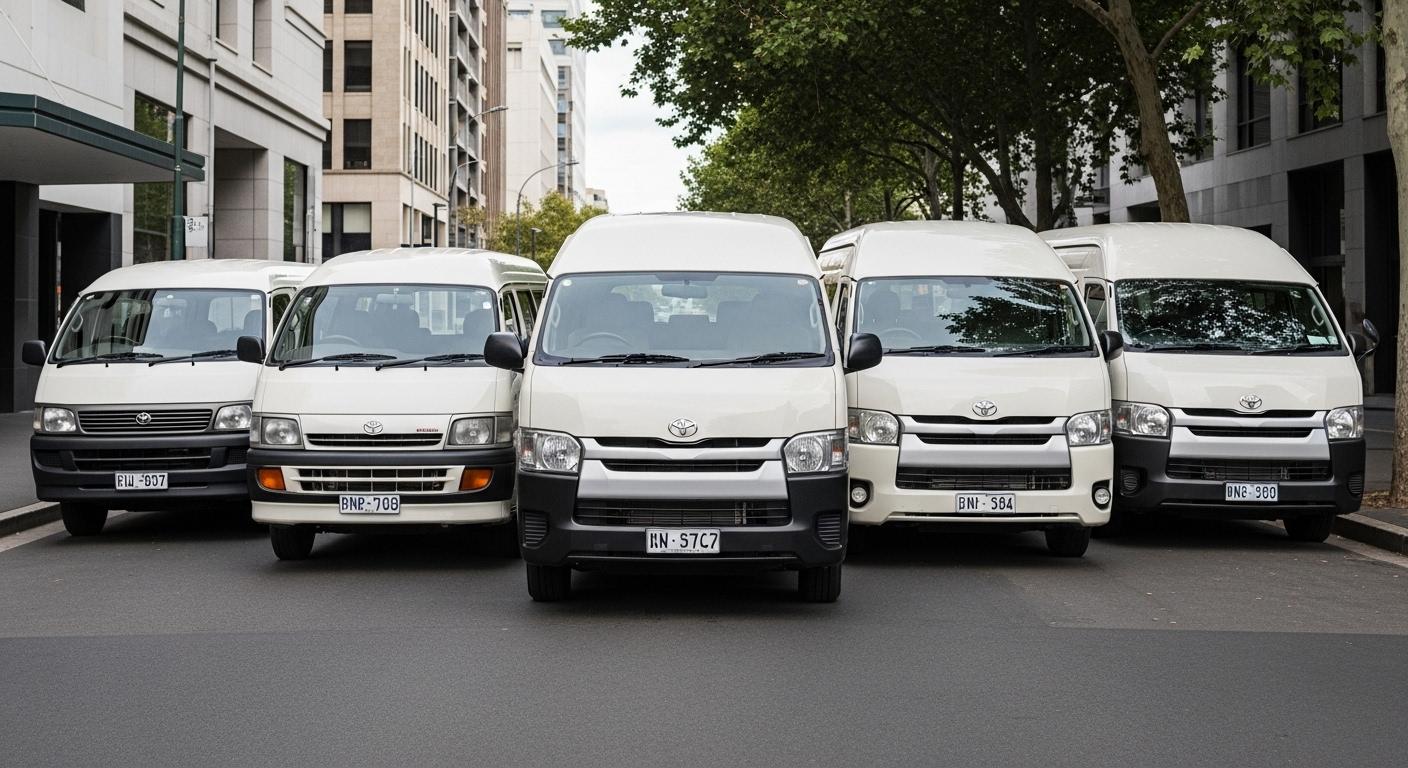
Ready to Hit the Road in Style?
Save money and reduce emissions with vehicles designed to deliver exceptional mileage. Visit our inventory and find a car that fits your lifestyle.
Ready to Hit the Road in Style?
Save money and reduce emissions with vehicles designed to deliver exceptional mileage. Visit our inventory and find a car that fits your lifestyle.
The Toyota HiAce has been around for decades, yet the imported 4x4 versions still hold a special place in Australia. That isn’t just nostalgia. It comes from the way these vans matched real Australian use: camping trips, regional driving, family touring, surf missions, and practical work. Plenty of people know the HiAce 4x4 by reputation, but far fewer know how that reputation was built. This guide explains where the imported Toyota HiAce 4x4 story started, which eras mattered most, and why Australians still rate the Japanese HiAce legacy so highly.
TL;DR
- The HiAce has a long-running history that helped imported versions feel familiar in Australia.
- Factory 4WD helped turn the HiAce into more than a simple van and gave it stronger touring appeal.
- In Australia, the appeal has always been practical: space, traction, reliability, and camper-friendly flexibility.
This article is about history and buyer context, not a full spec-sheet breakdown. If you want more buying detail after this, see the Toyota HiAce 4x4 buyer guide, and HiAce 4WD explained.
| Year | Example | Model code | Fuel | Why it matters |
|---|---|---|---|---|
| 1991 | Toyota HiAce | U-LH119V | Diesel | Early old-school reference point |
| 1996 | Toyota HiAce | LY111 | Diesel | Camper and touring bridge |
| 2008 | Toyota HiAce | TRH226S | Petrol | Shows the 2000s continuation |
| 2013 | Toyota HiAce | KDH206 | Diesel | Modern diesel touring example |
| 2013 | Toyota HiAce | TRH226S | Petrol | Everyday workhorse angle |
| 2019 | Toyota HiAce | TRH200K | Petrol | Modern reference point |
Why has the HiAce built such a long van legacy?
The HiAce has been part of Toyota’s van story for decades, which helps explain why the imported 4x4 was never a random niche oddity. It sat inside a long-running Toyota van line with a reputation for durability, packaging efficiency, and practical use.
That broader history helped imported Japanese examples feel familiar enough to trust in Australia, even when the exact variants were different from the ones many buyers knew locally. The nameplate already had credibility. The imported 4x4 versions simply gave that credibility a slightly different shape.
When Australians talk about an imported HiAce, they usually mean a Japanese-market van that offered something extra. Sometimes that was 4WD. Sometimes it was a different body style. Sometimes it was just a better fit for touring or camper use. That’s the real starting point. The appeal wasn’t about rarity alone. It was about getting a van format that suited the way people actually travelled.
How did factory 4WD change the HiAce story?
Factory 4WD changed the HiAce from a respected van into something more distinctive. The big shift wasn’t that it became a hardcore off-roader. It was that buyers could get van practicality with extra traction when campgrounds, gravel access roads, wet grass, or regional detours made ordinary driving more awkward.
That factory 4WD step gave the HiAce a new identity without changing its core job. It still carried people and gear like a van should, but it added the sort of traction that made rough campgrounds, wet grass, gravel access roads, and regional detours less stressful.
That’s the part many articles miss. The imported Toyota HiAce 4x4 did not become important in Australia because it pretended to be a bush truck. It mattered because it offered a smarter middle ground. Need a van that could handle more than city streets without becoming huge, thirsty, or awkward? That’s where the formula made sense.
That practical middle ground still explains the model better than any romantic off-road story. It’s also why the Toyota HiAce fuel consumption and use-case conversation matters just as much as the 4WD badge itself.
Imported Toyota HiAce 4x4 generations that built the Australian following
The H100 era became one of the key periods behind the imported HiAce following in Australia. For many buyers, this was the point where the HiAce stopped feeling like just another commercial van and started feeling like a platform with genuine touring and lifestyle potential.
The H100 matters because it sits at the centre of the Japanese HiAce legacy most Australians recognise today. It combined familiar Toyota toughness with packaging that worked for regional travel, camper ideas, and everyday usefulness. That’s why older imported examples still have such strong emotional pull.
1991: the old-school traction reference
The 1991 Toyota HiAce is the kind of vehicle that explains the early imported HiAce appeal in one glance. It represents the old-school part of the story: compact proportions, diesel simplicity, and the sort of honest van character that built loyalty over time. For buyers who like the classic Japanese van feel, this is the era that set the tone.
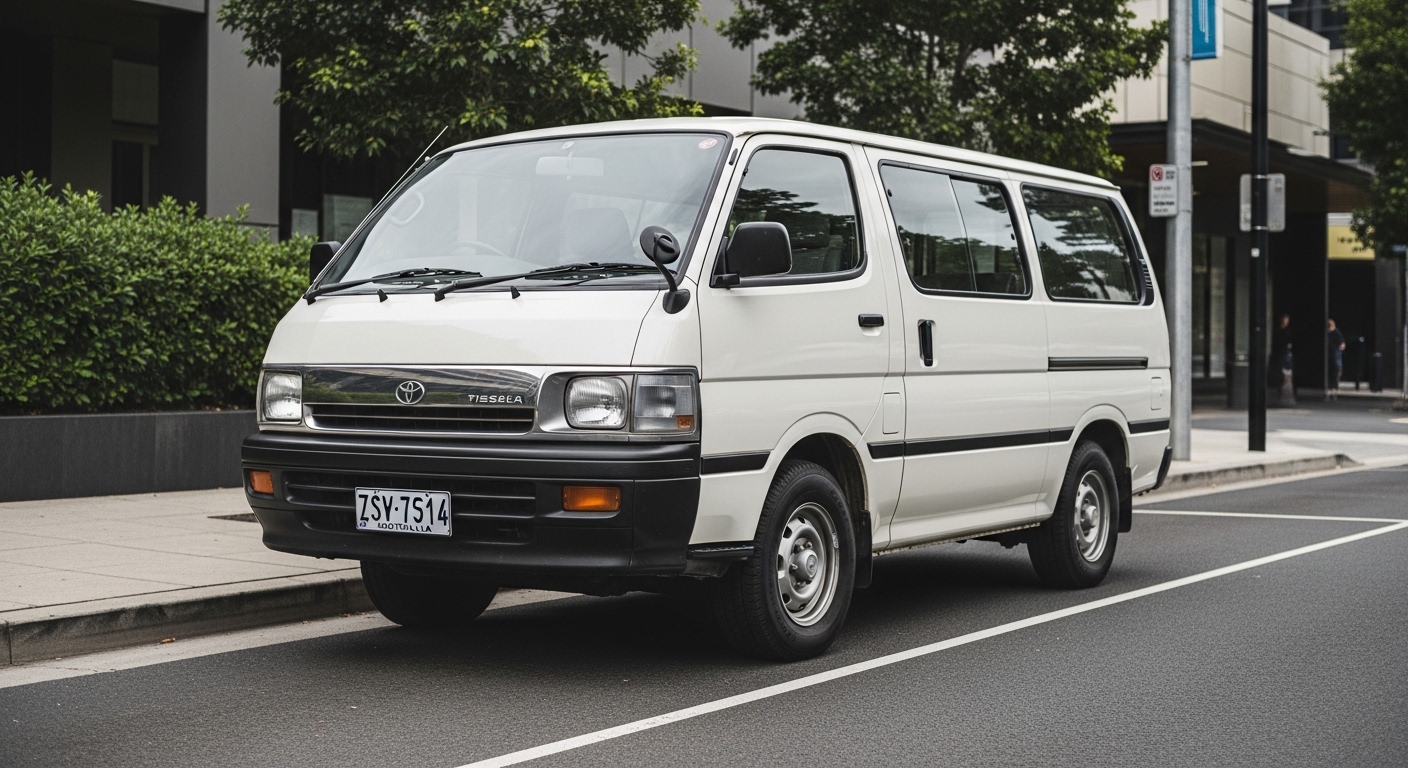 1991 Toyota Hiace
The confirmed listing details are clear and useful: 1991 build year, model code U-LH119V, diesel power, and 137,631km recorded. Those hard specs matter because they show what people still value in these older vans: mechanical straightforwardness, manageable size, and a format that suits touring and practical use without trying to be flashy.
1996: the camper and touring bridge
The 1996 Toyota HiAce shows how the HiAce story widened beyond work duties and into travel culture. This is the sort of example that helps explain why imported Japanese HiAce vans became so popular with Australians who wanted a compact touring base. It feels more like a lifestyle tool than a simple delivery van.
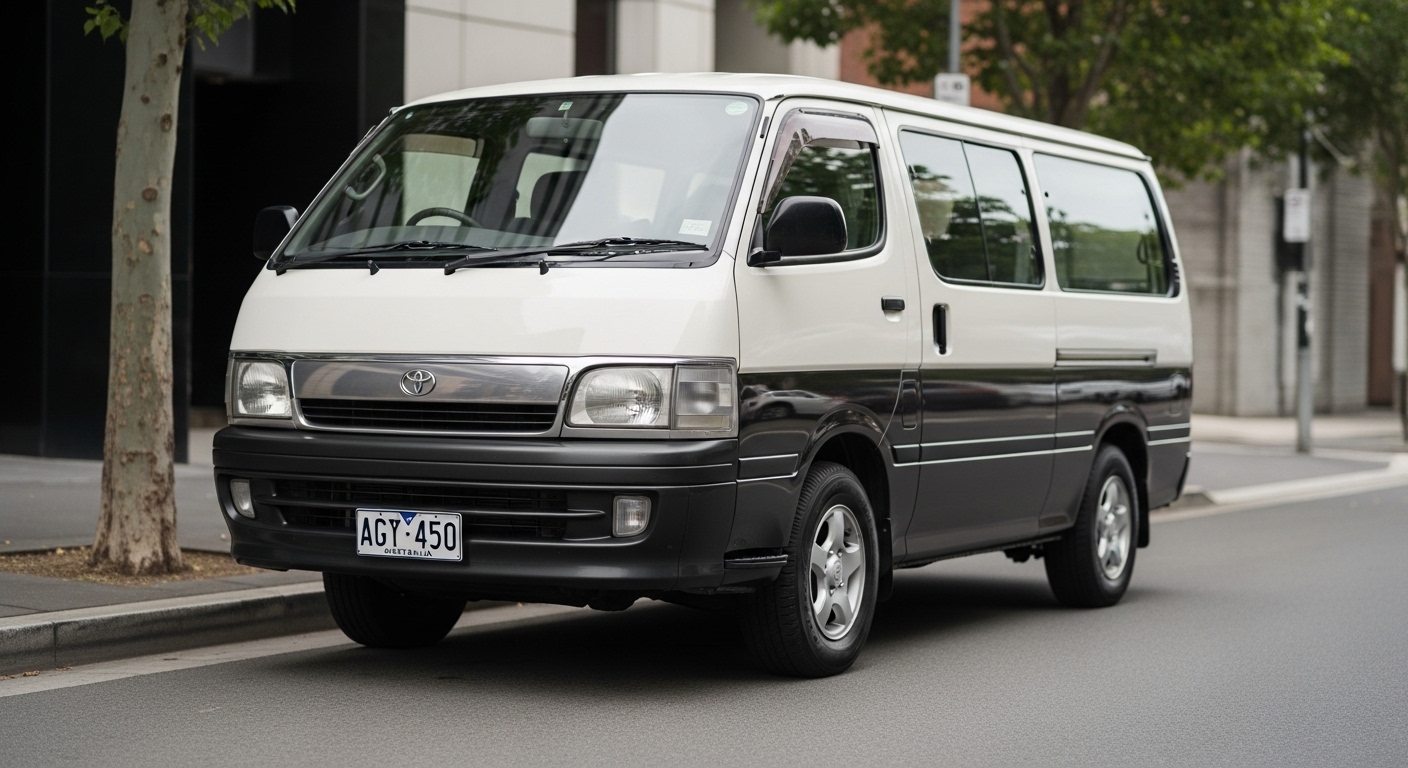 1996 Toyota Hiace
The supplied details back that up: 1996 build year, LY111 model code, diesel power, and just 37,073km listed. The low recorded kilometres stand out, but the bigger story is the body style and role. This kind of HiAce helped bridge work-van DNA with camper and touring potential, which is a major reason the model became culturally important here.
How did later generations keep the imported HiAce relevant?
Later generations kept the HiAce relevant for a wider group of Australian buyers. That timing mattered because domestic travel remained strong in Australia, with Tourism Research Australia continuing to report strong local overnight travel activity in its December quarter 2025 domestic tourism results (Tourism Research Australia, Domestic Tourism Results).
That later-generation shift broadened the HiAce formula rather than replacing it. It kept the van-first practicality people already liked, but it moved the conversation closer to family touring, longer regional driving, mixed-use ownership, and more modern expectations around comfort and usability.
This is where the Australian connection becomes obvious. The imported HiAce 4x4 stayed relevant because Australians didn’t only want adventure image. They wanted a van that could carry gear, handle a trip away, and still make sense on ordinary days. That balance is why the model kept finding new fans.
2008: the 2000s continuation
The 2008 Toyota HiAce carries the story into the 2000s, when the imported HiAce idea became less cultish and more broadly practical. It shows how the van moved with the times while keeping its main strength intact: useful space, familiar Toyota underpinnings, and the kind of shape that still works for travel or mixed-use ownership.
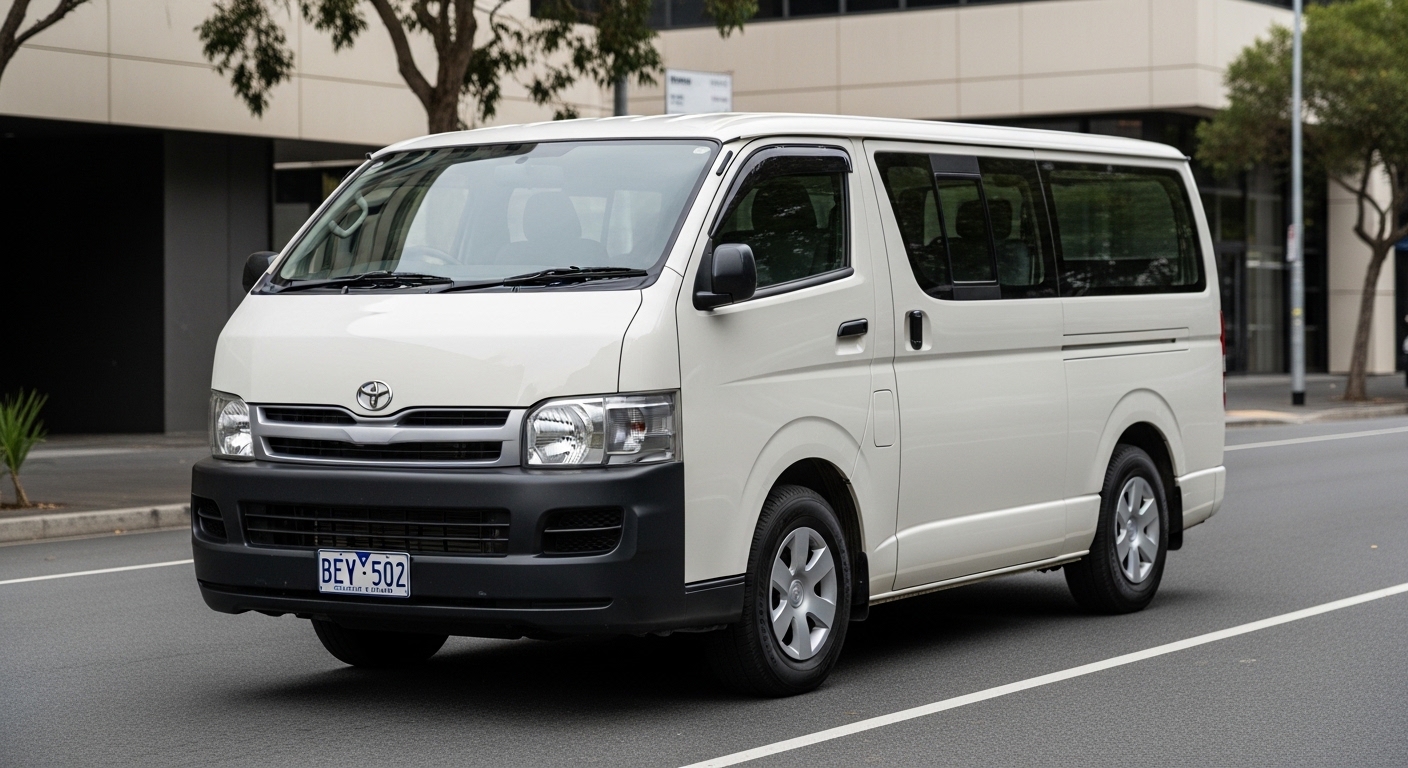 2008 Toyota Hiace
The confirmed listing data shows a 2008 build, TRH226S model code, petrol power, and 163,439km. Those raw details place it firmly in the later imported era. It matters because this is the sort of vehicle that kept the HiAce from becoming a pure nostalgia item. It still looked like something you could actually use.
2013: the modern diesel touring example
The 2013 Toyota HiAce KDH206 diesel reflects the more modern diesel-touring side of the Japanese HiAce story. For many Australian buyers, this is where the legacy starts to feel current rather than historical. It has the sort of practical, durable reputation that suits longer country runs, gear-heavy weekends, and buyers who care more about function than fashion.
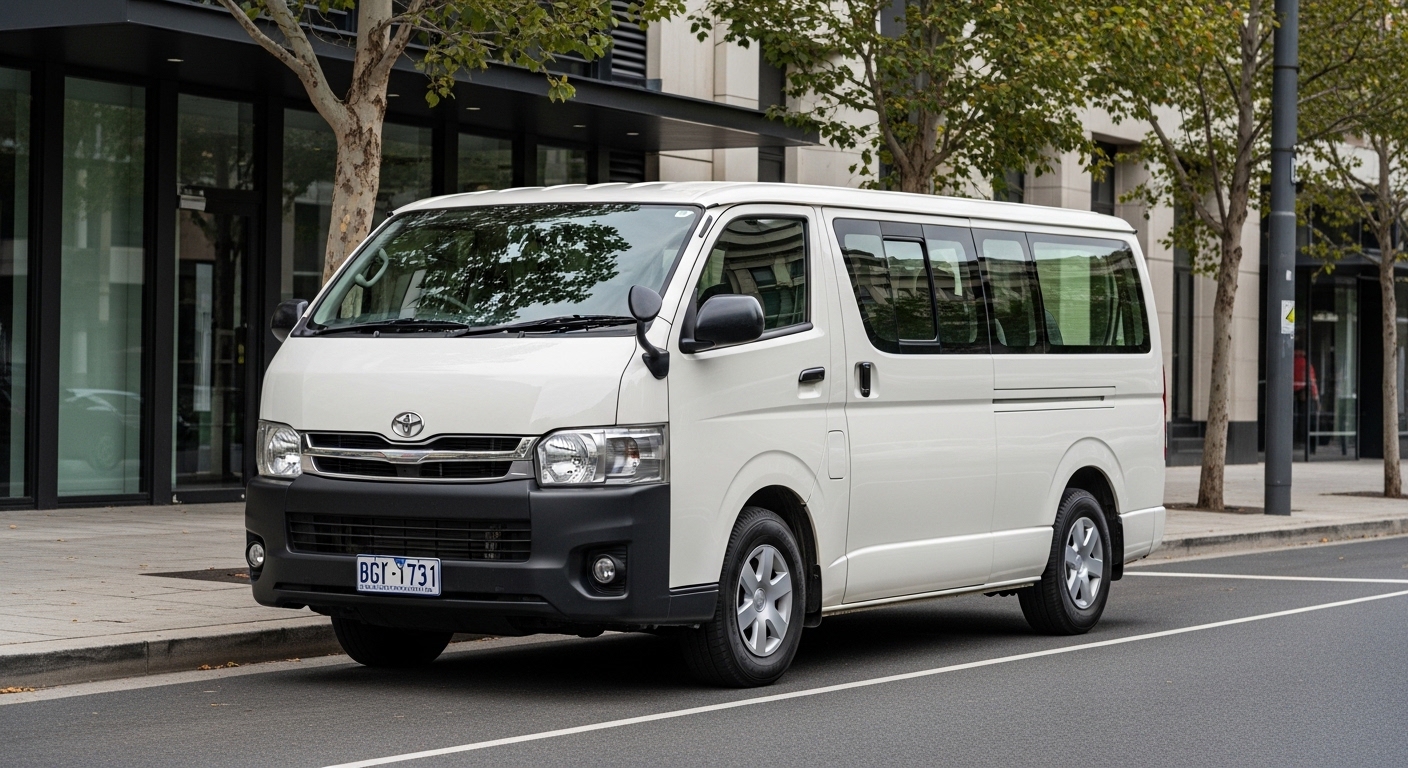 2013 Toyota Hiace
The verified details here are a 2013 build, KDH206 model code, diesel fuel type, and 166,000km. That’s enough to show why this era appeals. It sits in the sweet spot between older imported charm and newer usability. For many readers, this is the generation that makes the HiAce 4x4 story feel practical, not just interesting.
2013: the everyday workhorse angle
The 2013 Toyota HiAce TRH226S petrol broadens the story again, because the HiAce built its reputation by doing ordinary jobs well. Not every buyer wanted a camper base or an adventure van. Many simply wanted a dependable Toyota van that could handle day-to-day use, long ownership, and the sort of wear that comes with real life.
2013 Toyota Hiace
The supplied listing data records a 2013 build, TRH226S model code, petrol power, and 222,468km. The odometer figure is part of the point. HiAce loyalty in Australia has never come from hype alone. It comes from vans that keep being useful, even after plenty of kilometres. That workhorse credibility feeds the 4x4 legacy too.
The 2019 model shows how the nameplate matured
A 2019 HiAce works as a useful marker for how the nameplate matured in Australia, showing that the broader HiAce story stayed relevant well beyond the older imported 4x4 niche. It also gives readers a clear contrast point against the older Japanese-market examples that built the model’s reputation here. The current-shape local HiAce also underlines how established the badge remains in Australia.
The current-shape HiAce tells an important story. Australians still want practical vans. The difference is that buyers now compare older imported 4x4 appeal with newer comfort, safety, and day-to-day ease. That doesn’t weaken the legacy. It sharpens it. It helps people ask the right question: do you want the old formula, or do you want the modern one?
2019: the modern reference point
The 2019 Toyota HiAce works well as a present-day reference point because it shows what stayed the same and what changed. The core HiAce strengths are still there: sensible packaging, broad usability, and the sort of reputation that makes buyers keep coming back. What changed is the level of refinement many people now expect.
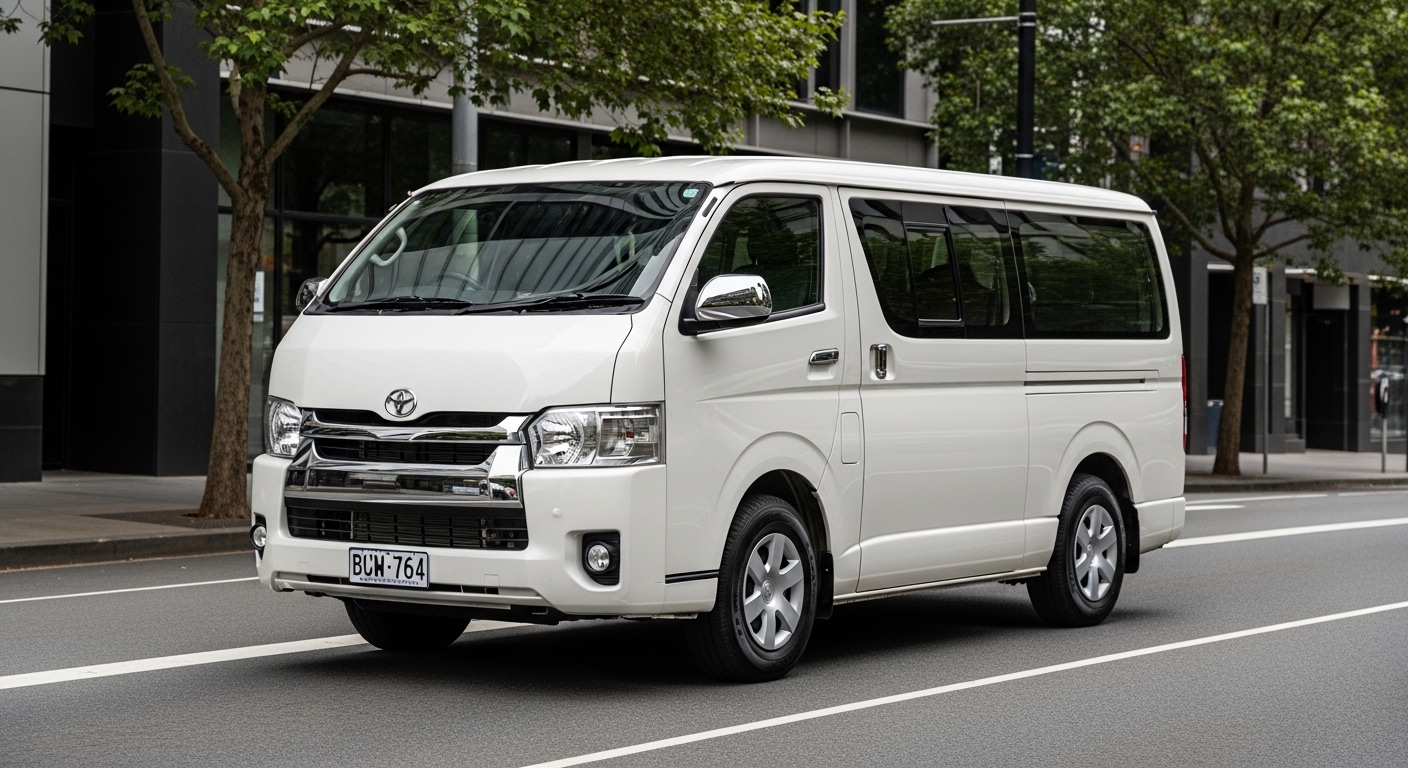 2019 Toyota Hiace
The listing details confirm a 2019 build, TRH200K model code, petrol power, and only 13,000km. That low odometer figure makes it a strong contrast to the older examples in this article. If you’re weighing history against daily ease, this is the sort of vehicle that shows how far the nameplate has come.
Why does the imported Toyota HiAce 4x4 still resonate in Australia?
Tourism Research Australia’s December quarter 2025 domestic tourism results point to sustained local travel demand, which helps explain why a practical van platform still holds appeal here. ABS’s final 2021 Motor Vehicle Census release also helps show the scale of Australia’s broader vehicle fleet and the role of light commercial formats (ABS Motor Vehicle Census). The imported Toyota HiAce 4x4 legacy fits that pattern neatly. It made sense for the way Australians actually used vehicles away from major cities.
The strongest explanation is also the simplest. The HiAce 4x4 gave buyers van practicality with extra confidence on rougher access roads, campsites, wet paddocks, and regional detours. That’s a very Australian use case. It’s also why the legacy has lasted longer than many trend-driven vehicles. For camper-specific context, the Toyota HiAce campervan guide is a useful next read.
So who does that legacy still suit? Buyers who value space, versatility, and real-world travel flexibility will still see the appeal. Who should probably look elsewhere? Buyers chasing serious off-road ability, modern-car comfort, or a vehicle that asks nothing of them in age-related upkeep. The HiAce 4x4 story has always been about fit, not fantasy.